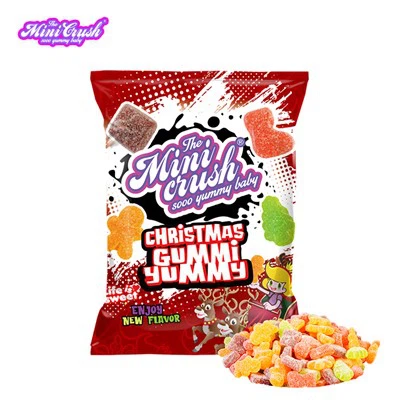


Sourcing high-quality jelly snacks for global markets isn't just about finding a supplier-it's about building a partnership that ensures consistent quality, smooth logistics, and happy customers. Too many buyers get stuck with products that fail compliance checks, arrive damaged, or lose shelf appeal fast. This guide breaks down exactly how to evaluate suppliers and products to avoid costly mistakes. We'll focus on practical steps to secure snacks that sell well, meet regulations, and keep your orders flowing year after year.
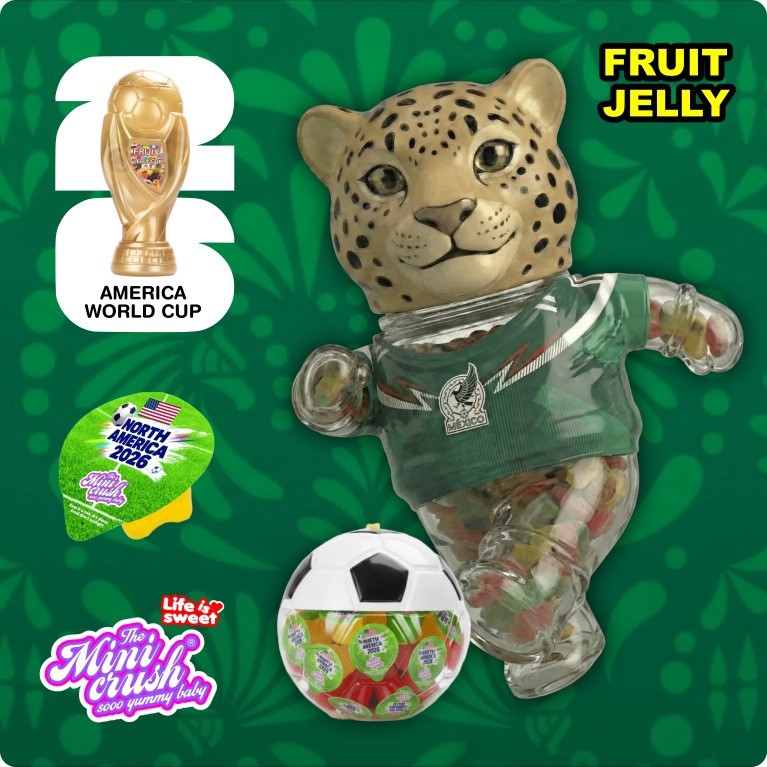
What Buyers Validate First: Quality and Reliability
When you're evaluating a jelly snack supplier, skip the glossy brochures and start with proof. Top buyers check three things immediately: certifications, raw material controls, and real-world export experience. Why? Because one failed customs inspection or contaminated batch can sink your entire launch. Look for suppliers with full international certifications like BRC, ISO22000, and HACCP-these aren't just badges; they mean the factory follows strict, audited processes for safety and consistency. Next, verify their raw material screening. For example, leading manufacturers use AI-powered checks to catch impurities early, plus tests for heavy metals and pesticides that are 30% stricter than standard industry limits. Finally, confirm their export history: a supplier with 15+ years shipping to 50+ countries knows how to handle paperwork, seasonal demand spikes, and last-minute retailer requests without delays. This upfront validation prevents 90% of common quality disasters.
Designing Your SKU Structure for Efficiency
A messy SKU list is a silent profit killer. Buyers often overload their portfolios with too many flavors or sizes, thinking "more choice = more sales." But in reality, it backfires: warehouses get clogged, reorder cycles slow down, and small retailers can't display everything. Instead, build a lean SKU structure around three rules. First, limit core SKUs to 5–7 hero products-like classic fruit chews or sour gummies-that cover 80% of your sales. These should have simple, scalable production (e.g., daily output of 10+ tons) to handle bulk orders without delays. Second, use "flex SKUs" for trends: 2–3 rotating items like vegan or sugar-free options, which suppliers can customize in 15 days without minimum order chaos. Third, kill SKUs that don't meet clear sales thresholds-say, moving under 50 units per month at major retailers. This keeps your lineup agile, reduces dead stock, and makes forecasting a breeze. A focused SKU strategy means faster restocks, lower storage costs, and happier store managers who can actually feature your products.
Compliance Clarity: Your Non-Negotiable Safety Net
Nothing kills a distribution deal faster than murky compliance info. Buyers waste weeks chasing missing certificates or fixing label errors that violate local laws. To avoid this, demand total transparency from day one. A trustworthy supplier provides all certifications upfront-like HALAL, Kosher, or FSMA-FSVP-in your language, with expiry dates clearly marked. They also share full test reports for allergens, heavy metals, and shelf life (aim for 12+ months with low damage rates). Crucially, they proactively adapt to market changes: if Europe updates sugar labeling rules, they revise packaging before you ask. For jelly snacks, this is extra vital-gelatin sources, color additives, and preservative limits vary wildly by country. Partner with suppliers who've passed audits by major retailers like Costco or Disney; their systems are built to meet the toughest global standards. When compliance is crystal clear, you skip delays, avoid fines, and gain buyer trust at every level of your chain.

Shelf Performance: Making Products Fly Off the Shelves
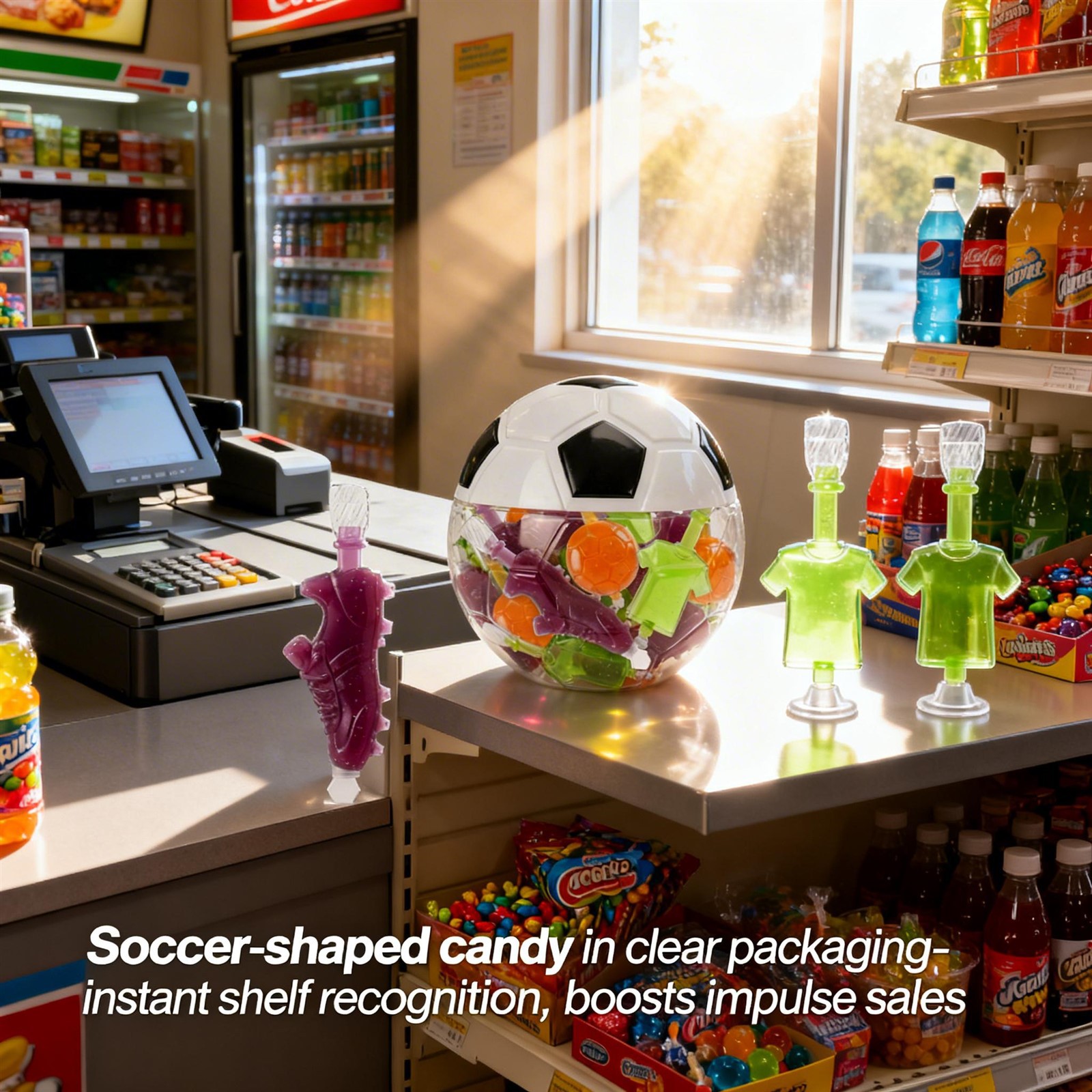
A jelly snack might taste great in the factory, but if it flops on shelves, your sales vanish. Buyers obsess over two things: visual appeal and consumer trial. First, the product must grab attention instantly-think vibrant colors that don't fade, shapes that stand out in a crowded candy aisle, and packaging that screams "grab me" without clutter. Second, it needs to convert browsers into buyers. Samples or single-serve packs drive trial, while consistent texture (no sticky or crumbly messes) ensures repeat purchases. Work with suppliers who test shelf life rigorously; snacks should stay fresh-looking for months under store lights, not melt or discolor. Also, prioritize partners with marketing support-like ready-to-use social media videos or display templates-to boost in-store visibility. When your jelly snacks look irresistible and deliver every time, retailers reward you with prime shelf space and faster reorders.
Ensuring Reorder Stability for Long-Term Growth
Your best sales year means nothing if you can't fulfill repeat orders. Buyers lose sleep over suppliers who run out of stock, change recipes mid-contract, or hike prices unexpectedly. Build stability by vetting production capacity and flexibility. Check if the factory has automated lines (e.g., 80% automation) and large-scale facilities (20,000+ sq. ft.) to handle volume spikes without quality dips. Confirm they offer flexible MOQs-small batches for testing, big runs for holiday seasons-and a track record of on-time delivery. Also, look for R&D agility: suppliers who launch 2+ innovations monthly can tweak flavors or formulas fast if trends shift, keeping your lineup fresh. Finally, insist on transparent communication-weekly updates on order status, not radio silence. With these safeguards, you'll turn one-time orders into decade-long partnerships where both sides win.
Buyer Checklist: Your Sourcing Quick-Reference
Use this simple checklist before signing any supplier contract:
- **Certifications verified?** All docs (BRC, ISO, HALAL, etc.) are current, translated, and cover target markets.
- **Quality proof on hand?** Test reports for contaminants, shelf life, and allergens are provided upfront.
- **Production capacity confirmed?** Factory can handle your peak volumes (e.g., 10+ tons daily) with low damage rates.
- **SKU flexibility clear?** MOQs suit your business size, and customization (flavors, packaging) takes ≤15 days.
- **Compliance support guaranteed?** Supplier updates labels/rules proactively and shares marketing assets.
- **Reorder process mapped?** Lead times, communication channels, and contingency plans are documented.
Common Mistakes That Derail Distribution
Avoid these pitfalls that trip up even experienced buyers:
- **SKU overload:** Carrying 20+ variants splits focus, inflates inventory costs, and confuses retailers. Stick to 7–10 core items max.
- **Ignoring compliance early:** Assuming "it's just candy" leads to rejected shipments-always validate local regulations before ordering.
- **Prioritizing low cost over reliability:** Cheap suppliers often cut corners on testing, causing recalls that cost 10x more long-term.
- **Skipping shelf-life tests:** Jelly snacks that degrade in 3 months create waste; demand proof of 12+ month stability.
- **Vague customization terms:** "We can adjust flavors" isn't enough-get timelines, costs, and sample policies in writing.
Sourcing high-quality jelly snacks for international distribution succeeds when you treat it as a partnership, not a transaction. Suppliers who nail compliance, keep SKUs lean, and deliver rock-solid consistency turn first-time orders into decade-long collaborations. Why? Because they remove guesswork-your team spends less time firefighting quality issues and more time growing sales. When products arrive on time, shine on shelves, and meet every regulation, reorders become automatic. That's the foundation of a profitable, stress-free supply chain where both you and your customers win, order after order.