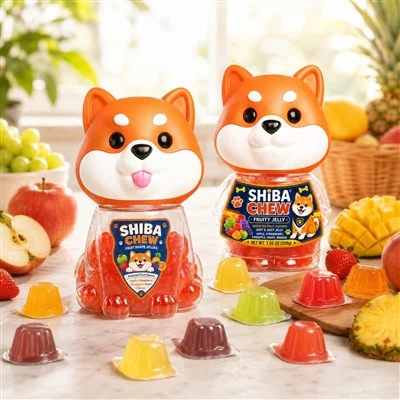




Mastering Procurement: How to Evaluate and Secure Reliable Fruit-Flavored Gummy Candy for Long-Term Success
When sourcing fruit-flavored gummy candy for your retail or wholesale business, the biggest challenge isn't just finding a supplier-it's building a partnership that ensures consistent quality, smooth operations, and repeat orders. Many buyers get stuck in cycles of stockouts, quality hiccups, or mismatched products because they skip foundational checks during procurement. This article cuts through the noise to show you exactly how to assess suppliers and products for reliable, long-term success. We'll focus on practical steps-not sales pitches-to help you avoid costly mistakes and create a streamlined buying process. By the end, you'll know how to turn one-time purchases into dependable, recurring revenue streams.
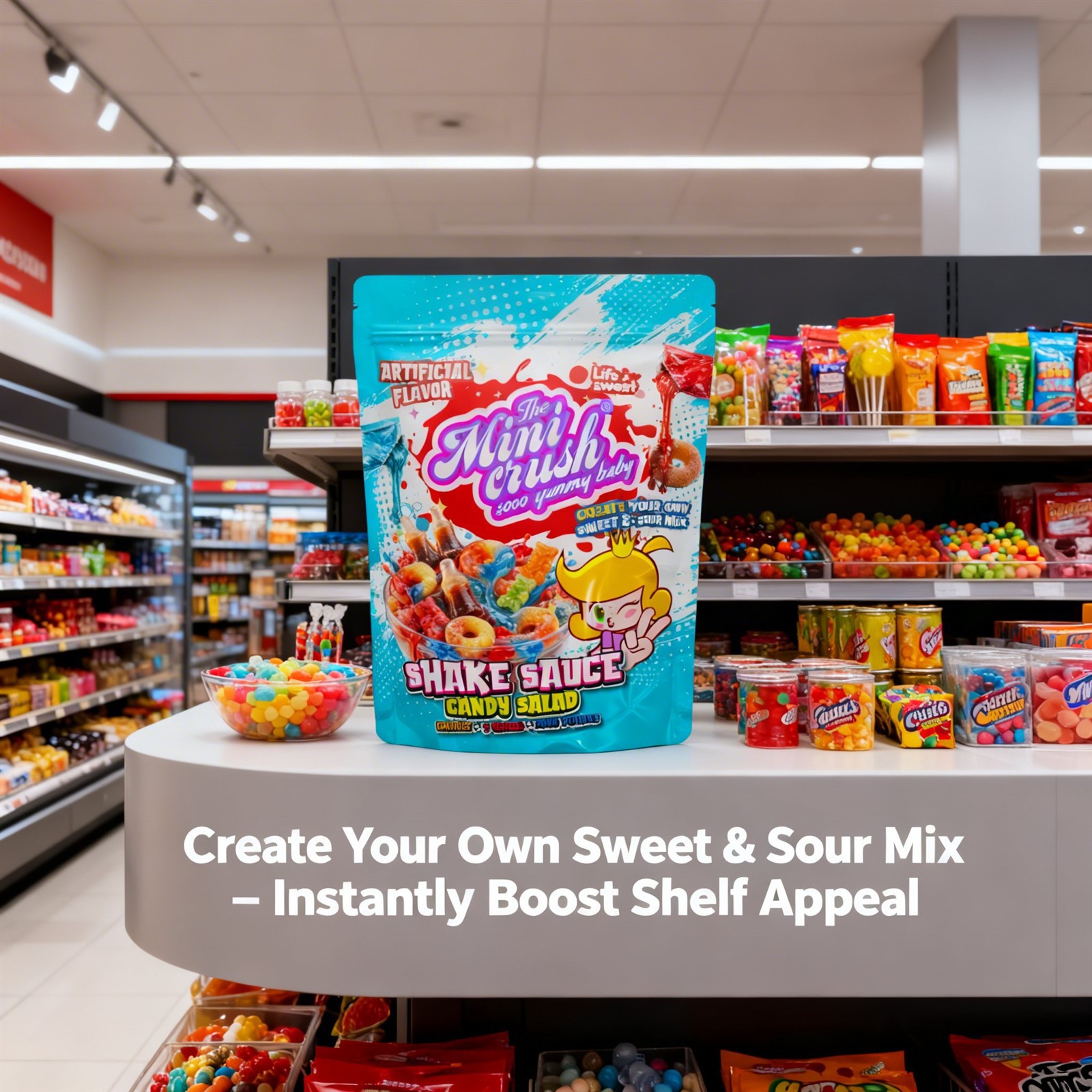
What Buyers Validate First: Quality and Compliance as Your Foundation
Before even discussing flavors or packaging, smart buyers prioritize quality validation and compliance clarity. Why? Because a single batch failure can damage your brand reputation and trigger costly recalls. Start with certifications: look for suppliers with ISO22000, HACCP, and BRC certifications, as these prove rigorous food safety protocols. For fruit-flavored gummy candy, ensure heavy metal and pesticide residue testing meets or exceeds standards-ideally 30% stricter than industry norms to minimize risks. Also, verify allergen controls; vegan or gelatin-free options should be clearly labeled to prevent cross-contamination. Don't just take a supplier's word for it-ask for recent audit reports from bodies like Disney or Costco, which enforce strict global supermarket requirements. This upfront diligence prevents 80% of common issues, like shelf-life surprises or compliance gaps that derail shipments. For example, when evaluating a gummy salad product, confirm it uses hypoallergenic formulas and has passed HALAL or Kosher certifications if relevant to your market. Skipping this step leads to reactive firefighting instead of proactive planning.
SKU Structure Rules: Keep It Simple for Efficiency
A cluttered SKU portfolio is a silent profit killer. Buyers often overcomplicate by ordering too many variations, which strains inventory and confuses customers. Instead, adopt the "rule of three": limit core SKUs to three key attributes-flavor, size, and packaging type. For fruit-flavored gummy candy, this might mean grouping SKUs by primary fruit profiles (e.g., citrus, berry, tropical) rather than individual fruits. Aim for 5–10 core SKUs max per category; this simplifies forecasting and reduces warehouse clutter. For instance, a gummy salad line could offer just three sizes (single-serve, family pack, bulk) across two flavor bundles (e.g., "Summer Mix" with strawberry and mango). Crucially, ensure SKUs are designed for scalability-your supplier should support flexible MOQs to accommodate small test orders before scaling. Avoid the trap of chasing every trendy flavor; stick to proven performers that align with your sales data. A clean SKU structure means faster restocking, lower holding costs, and easier shelf management.
Compliance Clarity: Avoid Hidden Roadblocks
Nothing delays shipments faster than murky compliance documentation. Buyers must demand upfront transparency on all regulatory requirements. For gummy candy, this includes clear labeling of ingredients (e.g., vegan, sugar-free, or gelatin-free status), nutritional info, and country-specific import rules. Work with suppliers who provide digital compliance kits-think downloadable certificates for FSMA-FSVP or Kosher approvals-that you can share instantly with customs or retailers. Also, verify that packaging includes multilingual details if you serve global markets; a missing allergen statement in French could halt a European shipment. During supplier vetting, ask how they handle updates-regulations change, and a responsive partner will notify you of revisions proactively. One importer lost a $50k order because pesticide reports weren't 30% stricter than standard; now they only work with factories that publish real-time test data. Treat compliance not as paperwork but as your supply chain's immune system-it prevents small issues from becoming epidemics.
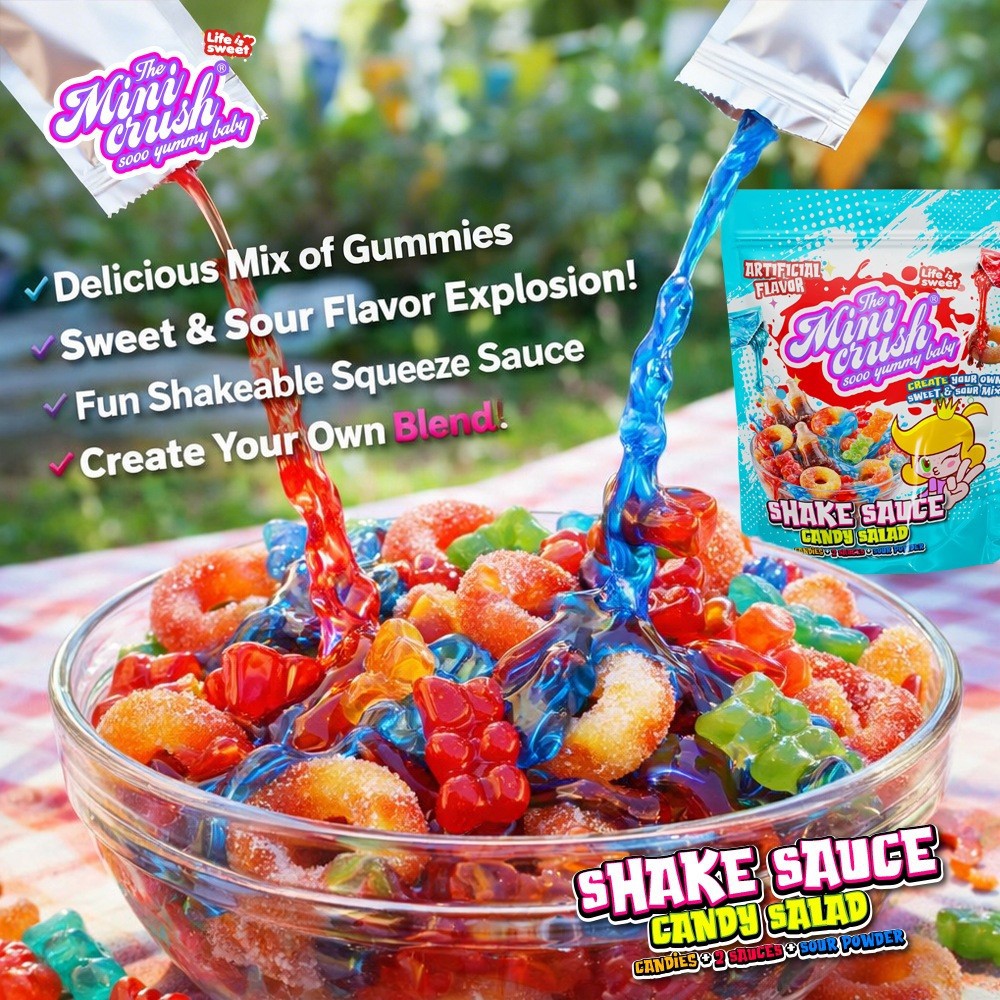
Shelf Performance: Design Products That Sell Themselves
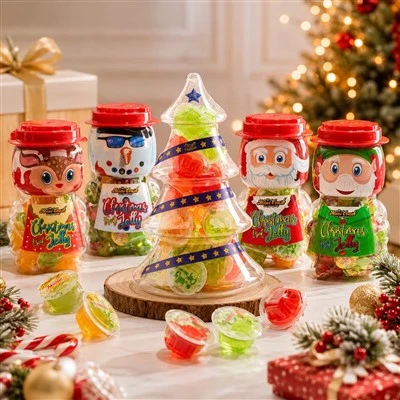
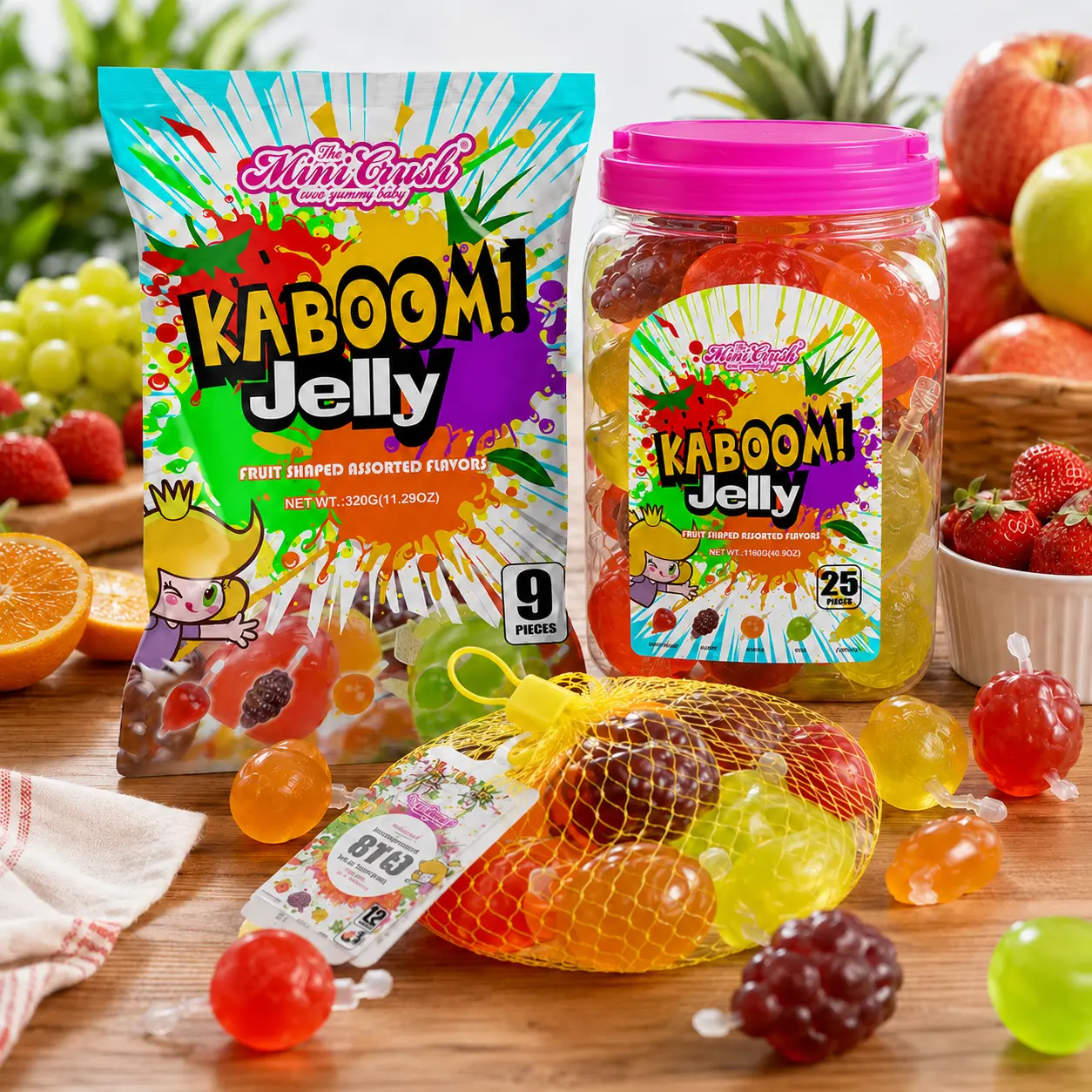
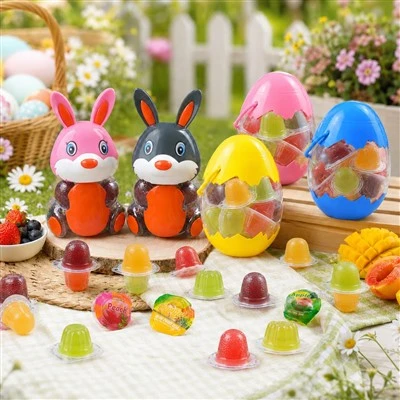
Great products don't just sit on shelves-they drive impulse buys and repeat purchases. Focus on two factors: visual appeal and consumer experience. For fruit-flavored gummy candy, vibrant, natural-looking colors (achieved through low-temperature freeze-drying) signal freshness without artificial dyes. Packaging should highlight key selling points upfront-like "vegan" or "no added sugar"-in under 3 seconds, as that's how long shoppers decide. Test products for texture stability; gummies that harden or melt too quickly frustrate customers and increase returns. Also, consider size and shape: single-serve packs for grab-and-go traffic, or resealable bags for home use. A strong supplier will share sales data from similar retailers to guide your choices-e.g., cotton candy shapes boosted impulse buys by 20% in convenience stores. Remember, if your product doesn't stand out in the first glance, it won't stay on shelves long enough to earn a reorder.
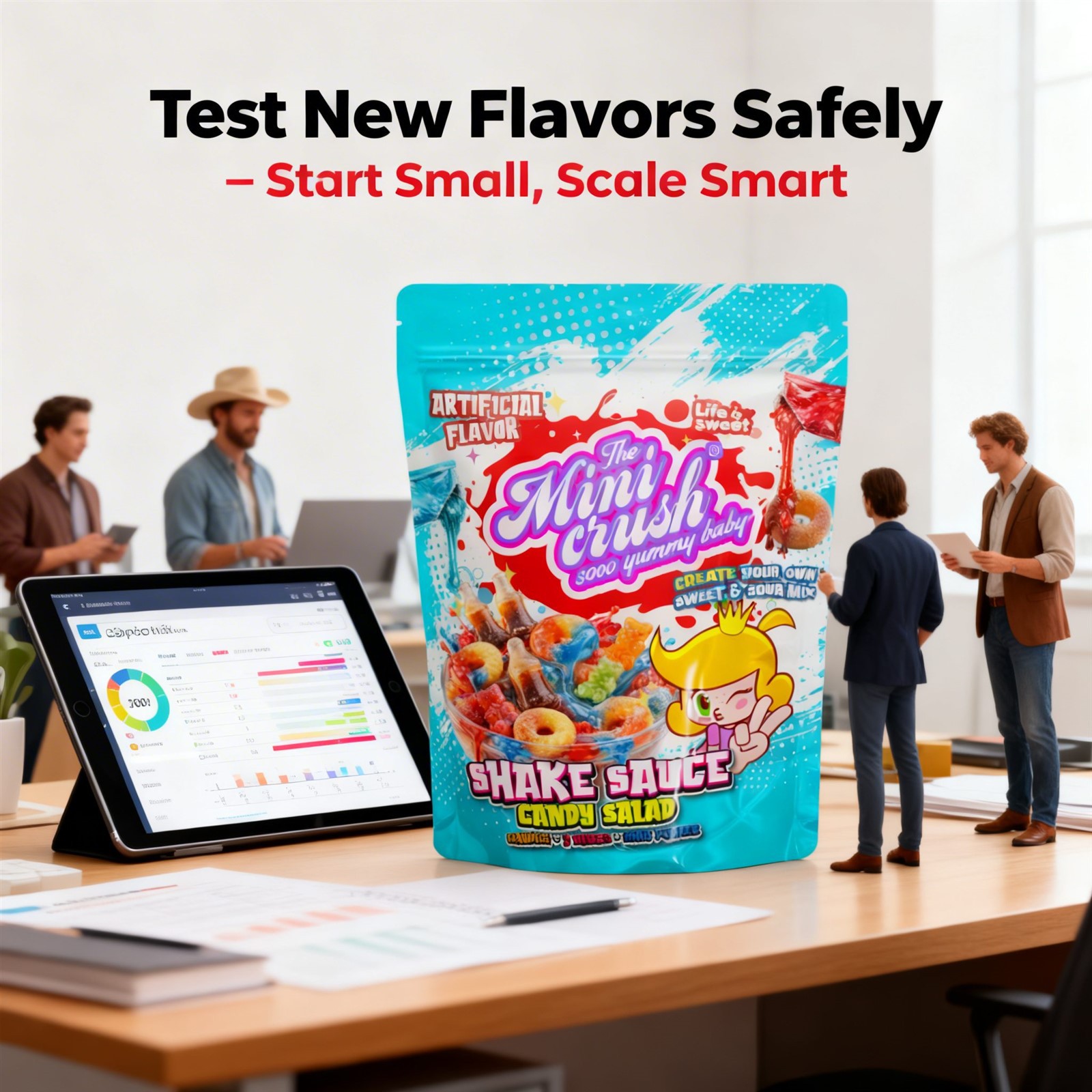
Reorder Stability: Build for Consistency, Not Just Cost
The hallmark of a reliable supplier isn't the lowest price-it's the ability to deliver the same product, batch after batch. Prioritize partners with robust production capacity and automation; for instance, factories with 80% automated lines and daily outputs of 10+ tons minimize delays during peak seasons. Check their track record for damage rates-under 1% is ideal-and confirm they use AI-driven quality checks to catch defects early. For gummy candy, ensure the supplier has deep technology expertise, like core freeze-drying methods that preserve flavor and nutrition consistently. Also, review their export history: a partner shipping to 50+ countries likely has mature logistics for low-damage container loading. Most importantly, ask about their raw material sourcing; suppliers with pre-screened, stable ingredient pipelines avoid flavor inconsistencies. One buyer switched to a factory with 15+ years of export experience and cut reorder lead times by half-proving that stability beats short-term savings every time.
Assortment Strategy: Curate, Don't Collect
Your product mix should tell a story that guides customers from trial to loyalty. Avoid the "more is better" myth; instead, build a focused assortment around three pillars: hero products (best-sellers like classic fruit gummies), complements (e.g., sugar-free versions for health-conscious shoppers), and seasonal novelties (limited-edition tropical blends). For gummy salad, pair core flavors with differentiated options-say, vegan cotton candy alongside traditional soft chews-to attract diverse audiences without bloating inventory. Use data to prune underperformers: if a SKU sells below 5% of your category volume for two quarters, replace it. Also, collaborate with suppliers on co-creation; their R&D teams can develop exclusive flavors that set you apart. A strong assortment feels intentional, not overwhelming, making it easier for buyers to restock confidently.
Buyer Checklist: Your Quick Evaluation Tool
- Use this no-fluff checklist when vetting suppliers or products. Tick all boxes before placing an order:
- Certifications are current and cover your key markets (e.g., BRC, ISO22000, HALAL).
- Compliance docs (allergen statements, test reports) are digital and accessible within 24 hours.
- Core SKUs are limited to 10 or fewer, with clear flavor/size groupings.
- Supplier provides shelf-life data and real-world damage rates (<1%).
- Production capacity supports your order volume without MOQ strain.
- R&D flexibility allows for fast sampling (e.g., 15-day turnaround for custom flavors).
- Packaging includes multilingual consumer info and key differentiators (e.g., "vegan").
Common Mistakes That Derail Procurement
Even experienced buyers fall into these traps:
- **SKU bloat**: Ordering 20+ flavors "to test the market" leads to dead stock and wasted shelf space. Stick to data-driven selections.
- **Ignoring compliance depth**: Assuming "organic" labels suffice without verifying pesticide thresholds-resulting in rejected shipments.
- **Overlooking reorder logistics**: Choosing suppliers with manual processes that cause 30-day delays during holidays.
- **Chasing novelty**: Prioritizing trendy flavors over core products, which erodes customer trust in your staple offerings.
- **Skipping damage audits**: Not checking container loading photos, leading to 5–10% product loss from poor handling.
- **Vague customization**: Requesting "similar to Brand X" without specs, causing mismatched samples and wasted time.
Structure is the unsung hero of procurement success. When you prioritize clear validation steps, lean SKU designs, and transparent compliance, you transform fruit-flavored gummy candy from a transactional buy into a reliable revenue engine. Suppliers who excel in these areas-like those with automated production, rigorous certifications, and responsive R&D-become true partners, not just vendors. This foundation ensures your products consistently meet shelf standards, minimize inventory risks, and earn customer loyalty, making reorders effortless. In the end, the simplest procurement strategies often yield the longest-lasting results: focus on stability, not shortcuts, and your candy aisle will thrive year after year.