


As a candy buyer, you face constant pressure to choose products that sell consistently while minimizing risks like stockouts or compliance issues. Many struggle with selecting the right fruit-flavored gummy candy range that aligns with retail demands without overcomplicating inventory. This guide cuts through the noise, focusing on practical steps to evaluate suppliers and products for long-term success. We'll show how smart flavor choices and supplier capabilities directly impact your reorder stability and shelf performance. Forget hype-this is about building a procurement process that works year after year.
What Buyers Validate First: Beyond Just Flavor Samples
When sourcing fruit-flavored gummy candy, your initial validation shouldn't start with taste tests alone. Top buyers prioritize supplier transparency and compliance clarity. For instance, verify if the manufacturer holds certifications like BRC, HACCP, or ISO22000-these aren't just paperwork but proof of consistent quality control. Without them, you risk recalls or delays at customs, especially with strict standards in markets like Europe or Japan. Also, check for clear documentation on ingredient sourcing: vegan or gelatin-free options need unambiguous labeling to avoid missteps with health-conscious consumers. A reliable supplier provides heavy metal and pesticide residue reports upfront, often 30% stricter than industry norms, ensuring safety without slowing your launch. Remember, a supplier that shares full audit trails (like Disney or Costco approvals) saves you time and builds trust from day one. Focus here first-it's the foundation for everything else.
SKU Structure Rules: Keep It Simple for Better Inventory Flow
Your SKU count directly affects warehouse efficiency and sales velocity. With fruit-flavored gummy candy, avoid the trap of offering 50+ flavors. Instead, structure SKUs around three core principles: demand, differentiation, and scalability. Start with 5-7 high-demand fruit profiles (like strawberry, mango, or citrus) that cover broad consumer preferences. Then, add 2-3 unique twists-such as sour or sugar-free variants-to stand out without bloating your lineup. Crucially, ensure your supplier supports flexible MOQs; this lets you test new flavors in small batches before committing. For example, a supplier with fast sampling (15 days for custom orders) allows you to adjust quickly based on seasonal trends. Overcomplicating SKUs leads to dead stock-stick to 10-15 total per category max. This keeps logistics smooth, reduces holding costs, and makes restocking predictable.
Compliance Clarity: Why Documentation Matters More Than You Think
Clear compliance info isn't boring admin-it's your shield against costly mistakes. When evaluating fruit-flavored gummy candy, demand straightforward access to allergen statements, ingredient lists, and country-specific regulations. A strong supplier provides these in your language, with no jargon. For instance, if you're sourcing vegan gummies, the documentation should explicitly state "non-animal derived" and include Kosher or HALAL certificates where relevant. Also, verify shelf-life data: products with longer stability (thanks to tech like low-temperature freeze-drying) mean fewer urgent reorders. Avoid suppliers who hide behind vague claims; instead, partner with those who share lab results openly, like heavy metal tests that exceed standards. This transparency speeds up your internal approvals and prevents last-minute surprises at retail.
Shelf Performance: Designing for Impulse Buys and Repeat Sales
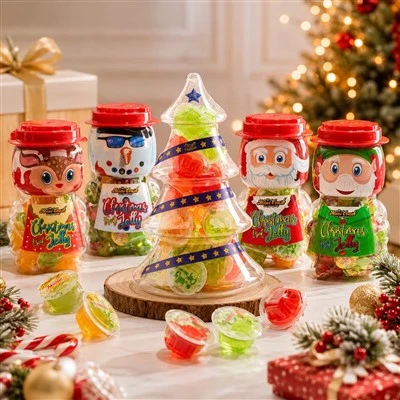
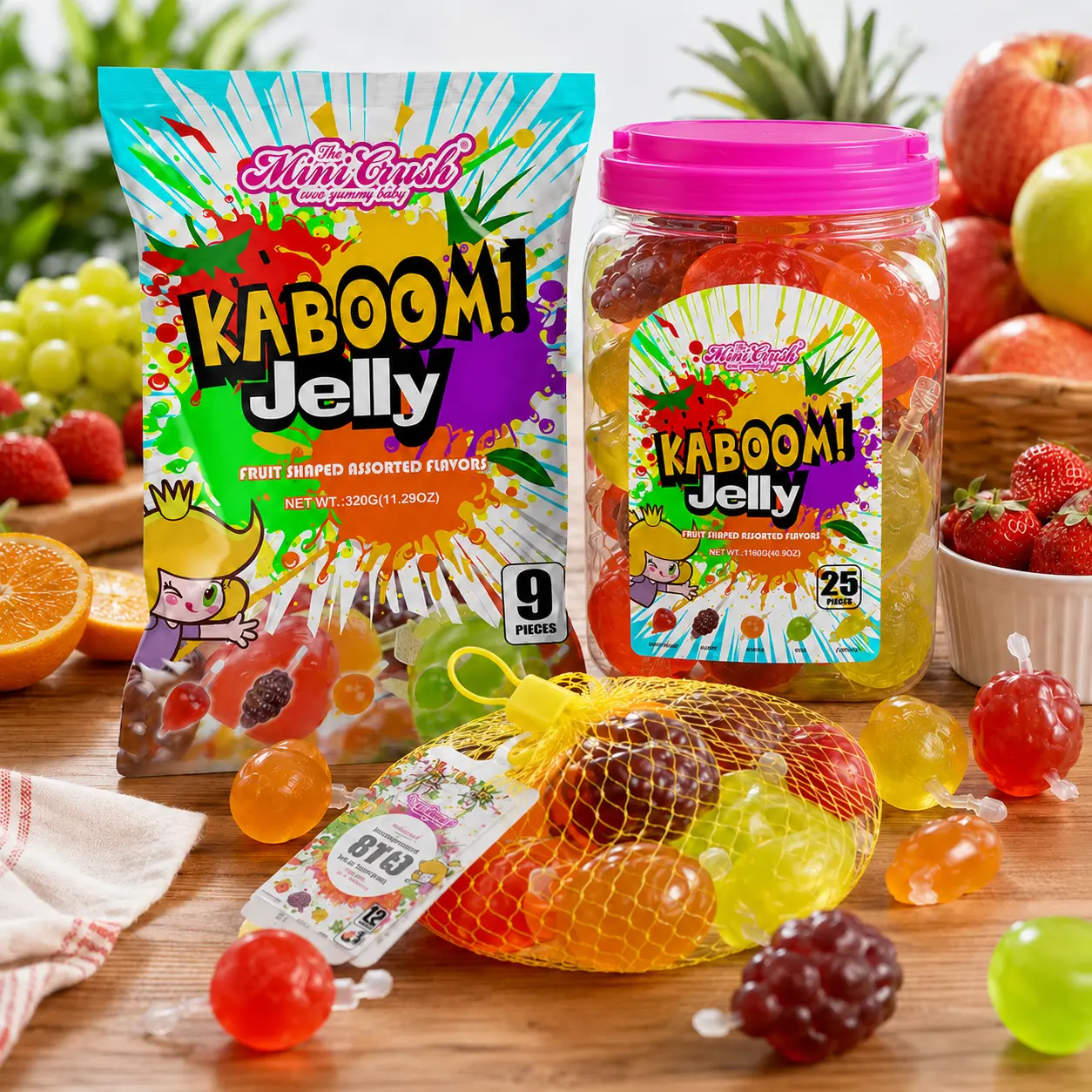
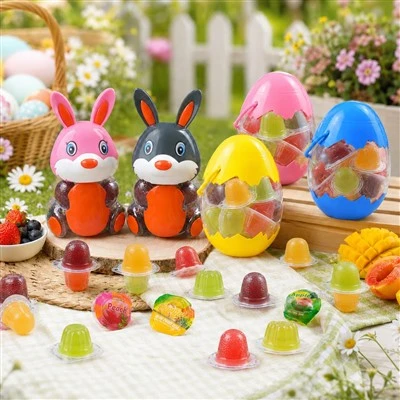
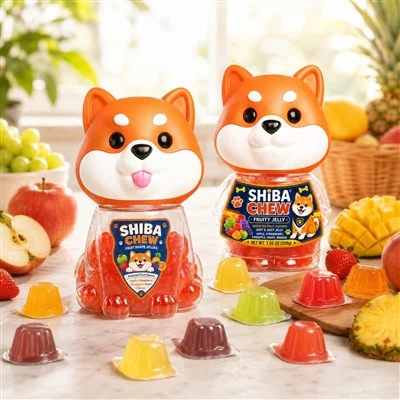
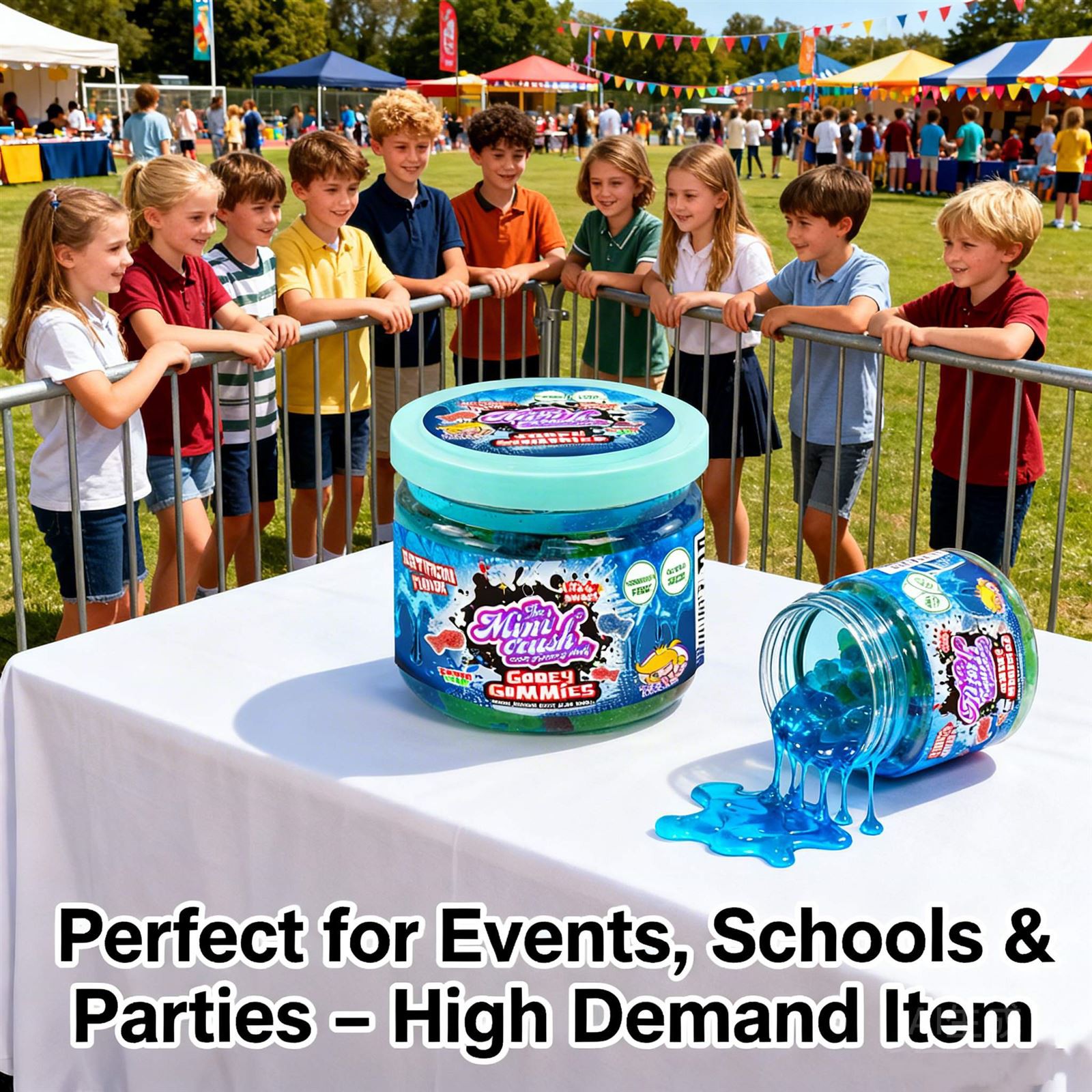
Great fruit-flavored gummy candy doesn't just taste good-it sells itself on the shelf. Focus on two factors: visual appeal and consumer ease. First, packaging should highlight flavor clearly with vibrant, consistent colors (e.g., red for strawberry, green for apple) so shoppers instantly recognize options. Avoid cluttered designs; minimalist labels with bold fruit imagery drive faster decisions. Second, consider format-single-serve pouches or shareable tubs boost impulse buys, while resealable bags encourage repeat purchases. Work with suppliers who offer customization: adjusting shape or portion size can match your store's layout (e.g., smaller packs for checkout lanes). Also, prioritize candies with high flavor retention (achieved through core technologies like vacuum freeze-drying), as fading taste leads to negative reviews and lower repurchase rates. Test products in mock setups; if it doesn't grab attention in 3 seconds, it won't sell.
Reorder Stability: The Secret to Never Running Out of Stock
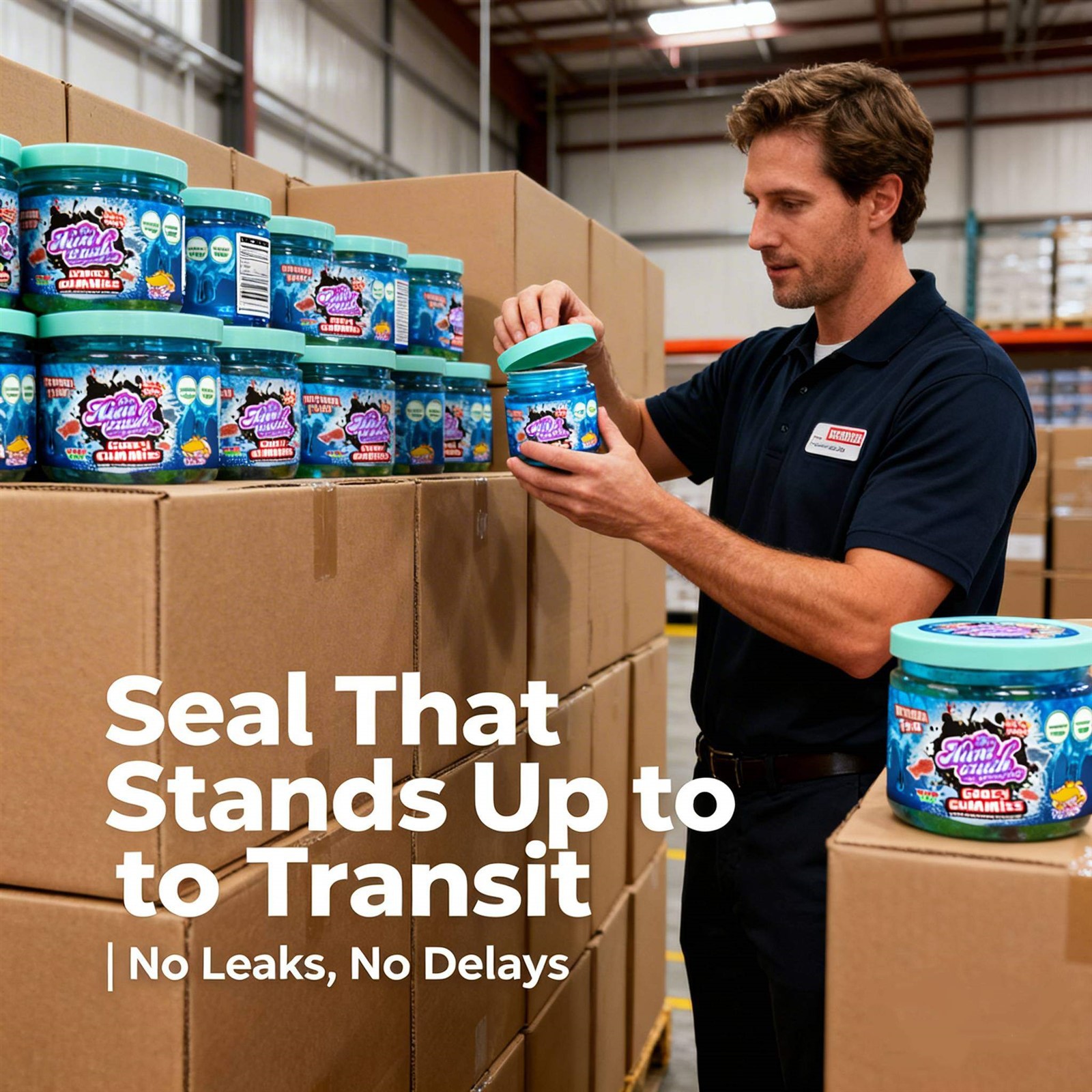
Nothing hurts retail relationships like stockouts. To ensure reorder stability, assess your supplier's production resilience. Look for automated capacity-like 80% automated lines and daily outputs of 10+ tons-which handles large orders without delays. Also, check their R&D agility; a supplier launching 220+ new products yearly can pivot during shortages (e.g., swapping a scarce fruit flavor for an available alternative). Crucially, verify their export experience: companies with 15+ years shipping to 50+ countries have refined logistics, like standardized container loading that minimizes damage rates. This means fewer rejected shipments and consistent supply. Finally, opt for one-stop OEM partners who manage everything from production to documentation-they simplify reordering by cutting coordination time. Stability isn't luck; it's built into the supplier's infrastructure.
Assortment Strategy: Balancing Variety and Profitability
Your product mix should excite shoppers without straining operations. For fruit-flavored gummy candy, adopt a "core and edge" approach. Keep 70% of your assortment as evergreen flavors (e.g., classic fruit medleys) that drive steady sales. Allocate 20% to seasonal or trend-based options (like tropical blends for summer), and reserve 10% for innovation (e.g., functional additions like vitamin-infused, but avoid health claims). Partner with suppliers who offer healthy differentiators-vegan, sugar-free, or gelatin-free versions-to tap into growing niches without fragmenting your range. Crucially, align with their customization strength: if they support full flavor, color, and packaging tweaks, you can tailor assortments to specific retailers. This strategy prevents SKU overload while keeping your offering fresh. Remember, a focused assortment turns browsers into loyal buyers.
Buyer Checklist
Use this quick guide before finalizing any fruit-flavored gummy candy order:
- ✅ Certifications verified: BRC, HACCP, ISO22000 (or equivalent) present and current.
- ✅ Compliance docs: Full ingredient/allergen lists in your language, with shelf-life data.
- ✅ SKU scope: Total SKUs ≤15; core flavors cover 70% of demand.
- ✅ Production proof: Supplier demonstrates capacity (e.g., daily output, automation level) for stable reorders.
- ✅ Sampling speed: Custom flavors or packaging can be tested within 15–30 days.
- ✅ Damage rate: Logistics process shows <2% damage history from past shipments.
Common Mistakes
Avoid these pitfalls that derail candy procurement:
- **SKU bloat**: Offering 20+ flavors dilutes sales and ties up capital in slow-moving stock. Stick to high-velocity options.
- **Ignoring compliance depth**: Accepting vague "natural" labels without proof leads to labeling errors and recalls.
- **Overlooking reorder agility**: Choosing suppliers with rigid MOQs causes overstocking or shortages during demand spikes.
- **Poor shelf testing**: Launching without mock displays results in low visibility and missed impulse buys.
- **Underestimating documentation**: Skipping audit trail reviews invites customs delays, especially in regulated markets.
Structuring your fruit-flavored gummy candy procurement around clear validation steps, lean SKUs, and reliable partners transforms sporadic buys into a repeatable system. When suppliers prioritize transparency, compliance, and flexible production, you gain the confidence to reorder without hesitation-knowing each shipment meets quality and demand. This isn't about finding a perfect product; it's about building a process where stability and simplicity drive long-term profitability. Start small, validate thoroughly, and watch your candy assortment become a retail staple.