


Sourcing jelly snacks for global markets can feel overwhelming with quality inconsistencies, supply chain hiccups, and ever-changing buyer expectations. As an importer or retailer, you need products that won't let you down on shelves or in customer reviews. This article cuts through the noise to focus on practical steps for evaluating suppliers and building a portfolio you can confidently reorder year after year. We'll show how smart procurement choices today prevent costly headaches tomorrow-without fluff or sales pitches.
What Buyers Validate First: Trust Before Transactions
When you're vetting a jelly snack supplier, your first move isn't about flavors or packaging-it's verifying their foundation for reliability. Top importers skip this step at their peril, leading to rejected shipments or safety scares. Start with certifications: look for ISO22000, BRC, and HACCP stamps that prove rigorous safety protocols. These aren't just paperwork; they mean heavy metal and pesticide tests are 30% stricter than industry norms, reducing recall risks. Next, confirm production transparency. Can the supplier show real-time factory footage or audit reports from big retailers like Costco? For example, a pioneer in freeze-dried candy leverages AI-driven raw material screening to catch defects early, ensuring consistent texture and color. Finally, check their export history. A supplier with 15+ years shipping to 50+ countries has navigated customs hurdles you shouldn't have to solve alone. If certifications are vague or their facility photos look staged, walk away-your reputation depends on this groundwork.
SKU Structure Rules: Keep It Simple, Not Complicated
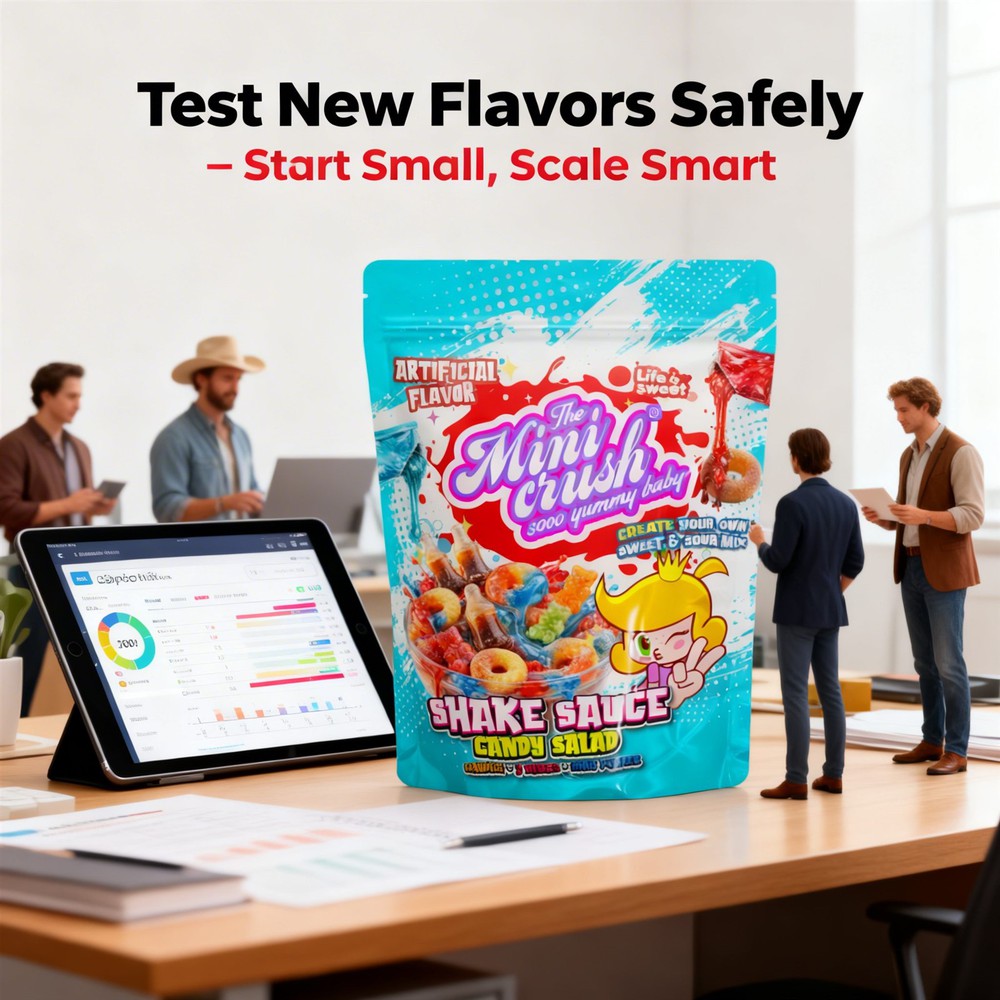
A messy SKU list is the fastest way to drown in inventory chaos. Buyers often overcomplicate by ordering 50+ variations of similar products, like endless gummy fruit shapes, only to end up with dead stock. Instead, adopt the "rule of five": limit core SKUs to five per category (e.g., sour, spicy, vegan, sugar-free, and premium). This keeps production efficient and forecasting accurate. For jelly snacks like Gummy salad, group variants logically-say, by flavor intensity (mild, medium, bold) rather than random themes. Smart suppliers support this by offering flexible MOQs; they might produce small batches for testing but scale smoothly for winners. Crucially, ensure each SKU has a clear "why." If a SKU isn't driving sales or filling a shelf gap, cut it. One importer slashed stockouts by 40% after trimming SKUs from 30 to 12, focusing only on top performers. Remember: fewer SKUs mean faster reorder cycles and less warehouse clutter.
Compliance Clarity: Avoid the Paperwork Pitfalls
Nothing kills a distribution deal faster than murky compliance details. Buyers waste months untangling unclear labeling, missing allergen info, or inconsistent documentation. Demand suppliers who bake compliance into their process-not bolt it on last minute. Key red flags include certificates that expire soon, vague ingredient lists, or formulas that don't specify vegan/gelatin-free status. For jelly snacks, this is non-negotiable: a single mislabeled allergen can trigger global recalls. Partner with suppliers who provide digital compliance dashboards showing live certification statuses (like Kosher or HALAL) and batch-specific test reports. The best ones pre-screen for target markets-say, ensuring pesticide limits meet EU standards before production starts. Also, verify their documentation speed; if it takes weeks to get updated labels for new regulations, you'll miss shelf windows. Clarity here isn't bureaucratic-it's your shield against delays and fines.
Shelf Performance: Design for the Retail Reality
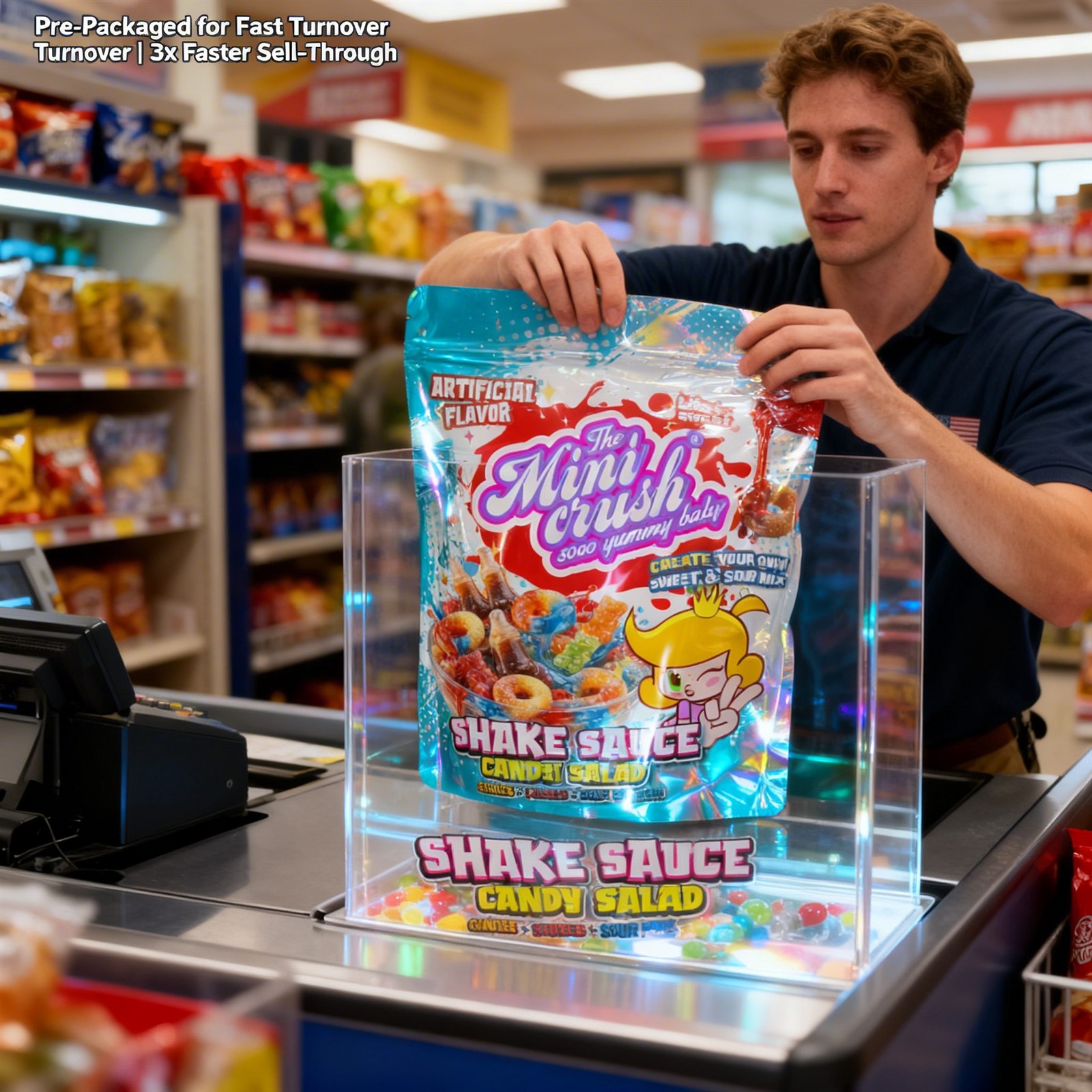
Your jelly snacks must grab attention the moment they hit stores-not after three months of languishing. Buyers overlook how product design directly impacts turnover. Start with visual cohesion: colors and shapes should pop against competitors but fit your store's aesthetic. For Gummy salad, avoid neon overload; opt for natural hues that signal "fresh" without artificial dye concerns. Next, prioritize practicality. Does the packaging resist crushing during transit? Does it stand upright on shelves without constant restocking? Suppliers with low damage rates (under 2%) use reinforced materials and standardized loading-critical for long-haul shipping. Also, test shelf life rigorously; jelly snacks fading or sweating within weeks erode trust. Work with partners who share real shelf-life data from actual retail conditions, not just lab tests. Finally, ensure the product tells its story instantly: clear front-label icons for vegan or sugar-free options help shoppers decide faster, boosting impulse buys.
Reorder Stability: The Make-or-Break of Long-Term Partnerships
Consistent supply separates one-time vendors from true partners. Buyers get burned when "reliable" suppliers can't handle repeat orders due to capacity crunches or poor planning. To avoid this, probe a supplier's production muscle early. Do they have automated lines (like Germany-imported systems) that run 24/7 without quality drops? Can they handle your peak volumes-say, 10+ tons daily-without outsourcing? Verify their reorder lead times: if sampling takes over two weeks or scaling production drags, skip them. Strong R&D teams are equally vital; they tweak formulas fast to fix issues (e.g., adjusting Gummy salad's texture for humid climates), preventing repeat failures. Crucially, ask about their customer retention-suppliers with 150+ loyal importers likely have systems for smooth reorders, like dedicated logistics coordinators. Stability isn't luck; it's built through automation, scale, and a track record of keeping promises.
Assortment Strategy: Balance Variety with Focus
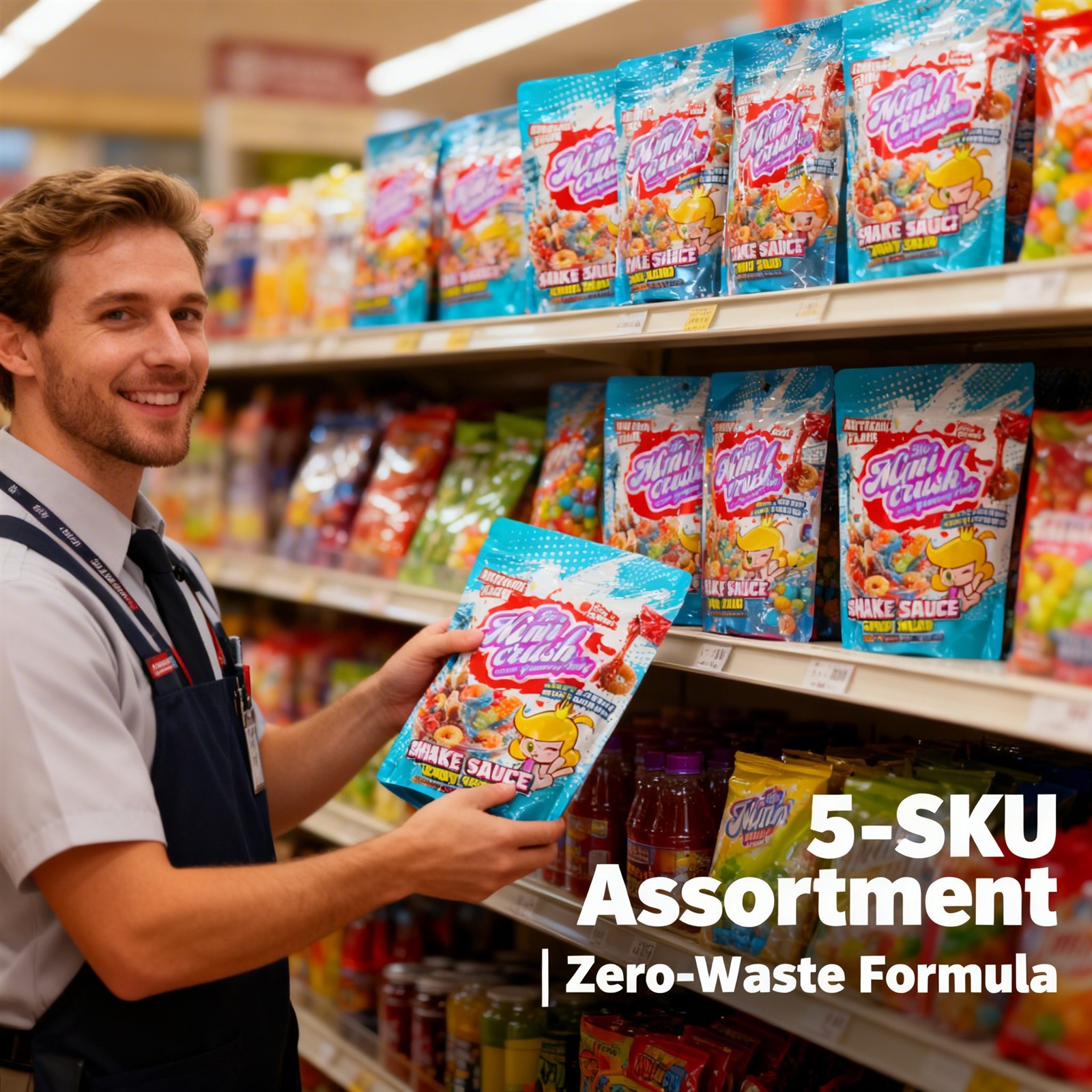
A winning jelly snack portfolio isn't about having everything-it's about having the right things. Buyers err by chasing trends (like limited-edition flavors) that dilute core sales. Instead, build a "hub-and-spoke" model: anchor with 3-4 hero SKUs (e.g., classic fruit gummies) that drive 70% of revenue, then add 1-2 innovative variants (like spicy Gummy salad) to attract new shoppers. This keeps inventory lean while testing new ideas. For international distribution, prioritize products with broad appeal-avoid hyper-local flavors that won't resonate globally. Also, align with suppliers who offer customization without complexity; they should adapt colors or packaging fast (in 15 days) but stick to proven bases. One retailer grew sales by 25% by focusing on vegan and sugar-free staples, ditching niche items that confused buyers. Remember: every SKU must earn its shelf space through sales data, not hunches.
Buyer Checklist
Use this quick guide to evaluate jelly snack suppliers before committing:
- Certifications verified: Full set (ISO22000, BRC, etc.) with no upcoming expirations.
- Production proof: Factory tour access or video showing automated, clean facilities.
- Compliance docs: Digital access to batch reports and allergen statements within 48 hours.
- SKU logic: Max 5 core variants per category, with clear sales rationale for each.
- Reorder metrics: <2% damage rate, <15-day sampling time, and capacity for 10+ ton orders.
- Shelf readiness: Packaging tested for real-world display and 12+ month shelf life.
Common Mistakes
- Overloading SKUs: Carrying 20+ similar jelly types leads to slow-moving stock and wasted capital. Stick to high-impact variants.
- Ignoring compliance depth: Assuming "certified" means ready-always check if certs cover your specific market (e.g., EU vs. US).
- Prioritizing novelty over stability: Chasing viral flavors without vetting supplier scalability causes stockouts.
- Poor shelf testing: Launching products without retail environment trials results in faded colors or melted textures.
- Skipping reorder rehearsals: Not simulating peak-season orders exposes supply chain gaps too late.
Sourcing jelly snacks that earn repeat orders boils down to simplicity and substance. When you prioritize clear compliance, lean SKU structures, and suppliers with proven stability-like those leveraging automation and deep export experience-you build a foundation for trust. These products don't just fill shelves; they become reliable revenue streams because every detail, from certification to packaging, is designed for consistency. In a volatile market, that reliability is your ultimate competitive edge, turning first-time buys into decade-long partnerships.