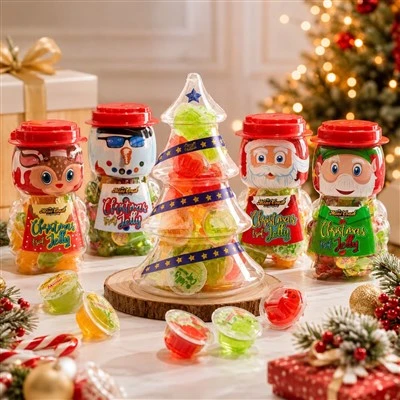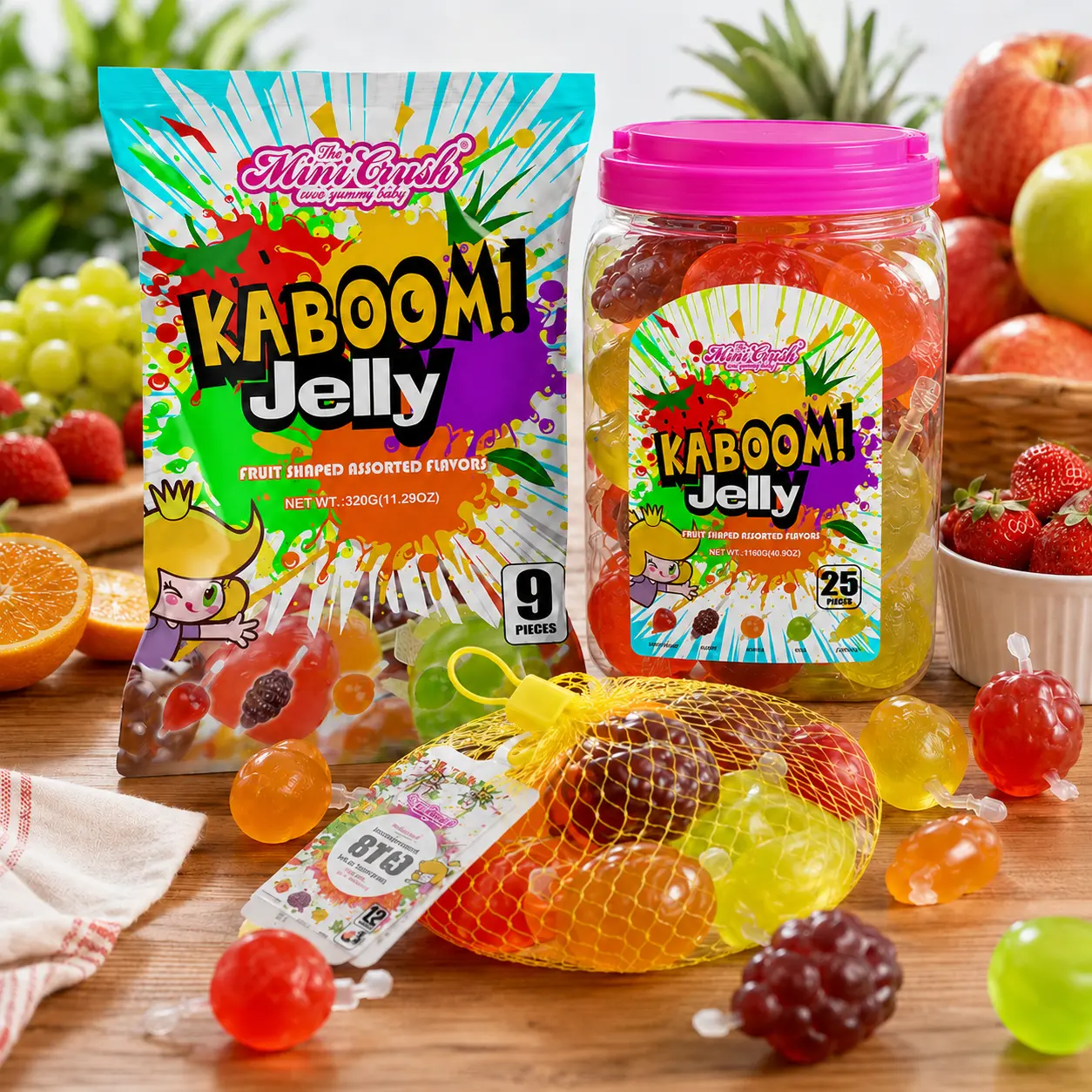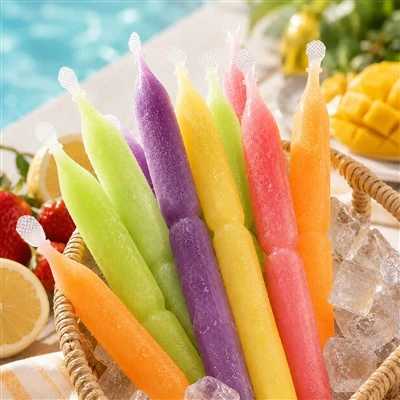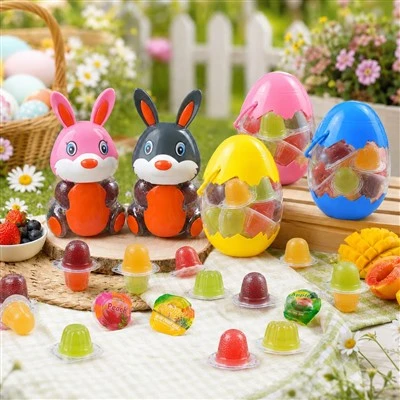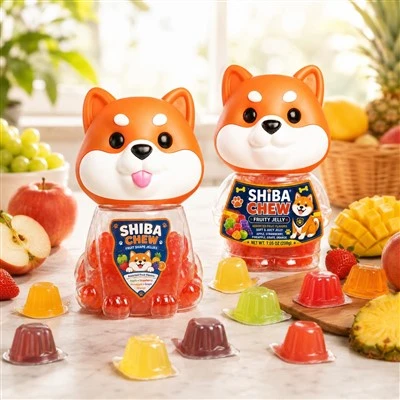




Sourcing gummy salad products can feel overwhelming for importers and retailers. You need products that fly off shelves while minimizing inventory risks. This guide cuts through the noise to show you how to evaluate suppliers for long-term success. Forget flashy promises-we focus on practical steps to build a stable, profitable product line. Let's make your next procurement decision simple and sustainable.

What Buyers Validate First: Beyond the Hype
When you're reviewing a new gummy salad supplier, skip the glossy brochures. Start with proof of product safety and consistency. Buyers often jump straight to flavor samples, but that's a mistake. First, check if the manufacturer holds essential certifications like ISO22000, HACCP, and BRC. These aren't just paperwork-they're your safety net against recalls or shipment rejections. For instance, if a supplier lacks FSMA-FSVP compliance, your U.S. imports could face delays. Also, verify their raw material sourcing. Clean-label demands mean ingredients must be traceable and free from artificial additives. A reliable partner will share third-party test reports for contaminants upfront, not after you sign a contract. This step ensures you're not gambling with your reputation. Remember, a supplier who hides details here will likely cut corners elsewhere. Focus on transparency-it's the bedrock of trust.
SKU Structure Rules: Keep It Simple, Keep It Selling
Your gummy salad lineup shouldn't look like a rainbow explosion. Too many SKUs confuse customers and strain your warehouse. Aim for 5–8 core SKUs that cover key preferences: classic fruit flavors, sugar-free options, and maybe one seasonal variant. Why? Data shows buyers in convenience stores stick to 3–4 bestsellers 80% of the time. Overcomplicating leads to dead stock-imagine clearing out 200 cases of "mango-chili" gummies no one bought. Instead, build a logical structure: group SKUs by flavor profile (e.g., citrus, berry, tropical) and format (e.g., bite-sized, sticks). This makes restocking intuitive and reduces errors. Also, align SKUs with your sales channels. Health food stores need vegan or probiotic options, while gas stations sell more on impulse with bold colors. A supplier with flexible packaging (like resealable pouches for e-commerce) helps you adapt without new tooling. Stick to this rule: if a SKU doesn't drive repeat purchases within 3 months, drop it. Simplicity wins every time.
Compliance Clarity: Avoid Costly Surprises
Nothing kills a partnership faster than murky compliance. Buyers get tripped up by assuming "certified" means "ready for my market." Don't. EU imports need specific certifications like HALAL or Kosher, not just generic food safety badges. Demand clear, up-to-date documentation-no vague claims like "we meet standards." A trustworthy supplier provides digital copies of all certs, including audit reports from bodies like Disney or Costco. Check expiration dates too; lapsed certificates cause border holds. Also, review label templates early. Missing allergen info or incorrect net weight? That's an instant shelf pull. For gummy salad, gelatin-free options must be labeled plainly for vegan buyers. One importer lost $50k because "vegetarian" wasn't specified in French for Quebec. Make compliance boringly routine: add it to your checklist before sampling. It turns potential disasters into smooth sailing.
Shelf Performance: Design for the Real World
Great gummy salad doesn't just taste good-it sells itself on the shelf. Buyers overlook how packaging and presentation impact turnover. Start with visibility: clear windows or bright colors catch eyes in 3 seconds-the average shopper decision time. But don't sacrifice practicality. E-commerce needs durable, lightweight packs that survive shipping; brick-and-mortar requires tear-resistant bags that stay neat after handling. Test this by ordering samples and simulating store conditions-drop them, expose them to light, see if seals hold. Also, consider size psychology. Single-serve packs boost impulse buys in checkout lanes, while family sizes drive pantry stocking. One retailer doubled sales by switching from 100g to 75g pouches-smaller feels like less commitment. Finally, track real data: if a SKU's sales dip despite good placement, it's not the location-it's the product. Use this insight to refine, not guess.

Reorder Stability: Lock In Long-Term Reliability
Nothing frustrates buyers more than a hot product going out of stock. Reorder stability hinges on two things: the supplier's production rhythm and your communication. First, assess their capacity. A manufacturer with 15+ years of export experience, like those audited by major retailers, typically handles demand spikes better. Ask about their backup plans-do they have multiple production lines or raw material reserves? Second, nail your lead times. Push for realistic windows, not best-case scenarios. If a supplier promises "2 weeks" but averages 6, your shelves go bare. Build buffer stock for top sellers-just 10–15% extra prevents panic orders. Also, share your sales forecasts openly. A transparent partner adjusts production proactively, avoiding the "feast or famine" cycle. Remember, stability isn't about perfection; it's about predictability. When you trust restocking will happen, you buy bigger and more often.
Assortment Strategy: Match Products to Your Profit Goals
Your gummy salad range should feel intentional, not accidental. Start by mapping SKUs to customer behavior. Health stores thrive on functional benefits like vitamin D or probiotics, but avoid medical claims-stick to "supports wellness" phrasing. Convenience channels? Focus on craveable textures and bold flavors that sell on sight. Don't chase every trend; pick 1–2 differentiators like sugar-free or freeze-dried options that align with your brand. Test new items in small batches before full rollout. One wholesaler tested aloe vera gummies in 10 stores; when repeat purchases hit 40%, they scaled nationwide. Also, prune ruthlessly. If an SKU's reorder rate dips below 70%, replace it. This keeps your assortment fresh without bloating inventory. The goal isn't to have the most choices-it's to have the right choices that keep customers coming back.

Use this quick reference before finalizing any gummy salad order:
☑ Certifications verified: ISO22000, HACCP, and market-specific certs (e.g., Kosher for EU)
☑ Shelf life tested: Minimum 12-month stability report with storage conditions
☑ SKU count capped: 5–8 core options, no "experimental" flavors
☑ Packaging validated: Survives shipping tests and matches channel needs (e.g., e-commerce durability)
☑ Lead time confirmed: Realistic production schedule shared in writing
☑ Compliance docs ready: Labels include allergens, net weight, and language requirements
☑ Reorder history checked: Supplier's past on-time delivery rate >90%
Overcomplicating SKUs: Launching 15+ flavors leads to 30% higher waste; stick to proven winners.
Ignoring label details: Missing "gelatin-free" on vegan packs causes instant returns.
Skipping shelf-life validation: Assuming "12 months" without test reports risks spoiled goods.
Chasing trends blindly: Adding adaptogens without demand data fills warehouses with unsold stock.
Poor communication: Not sharing sales forecasts causes stockouts or overstocking.
Sourcing gummy salad successfully isn't about finding the cheapest deal-it's about building a streamlined, trustworthy partnership. When products are easy to verify, simple to manage, and reliable to reorder, you create a cycle where buyers keep coming back. Focus on clarity and consistency, and you'll turn one-time orders into years of repeat business. That's how smart procurement drives real growth.