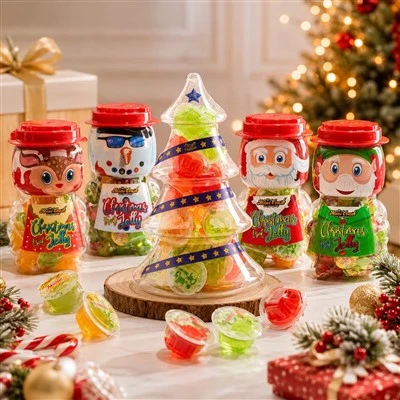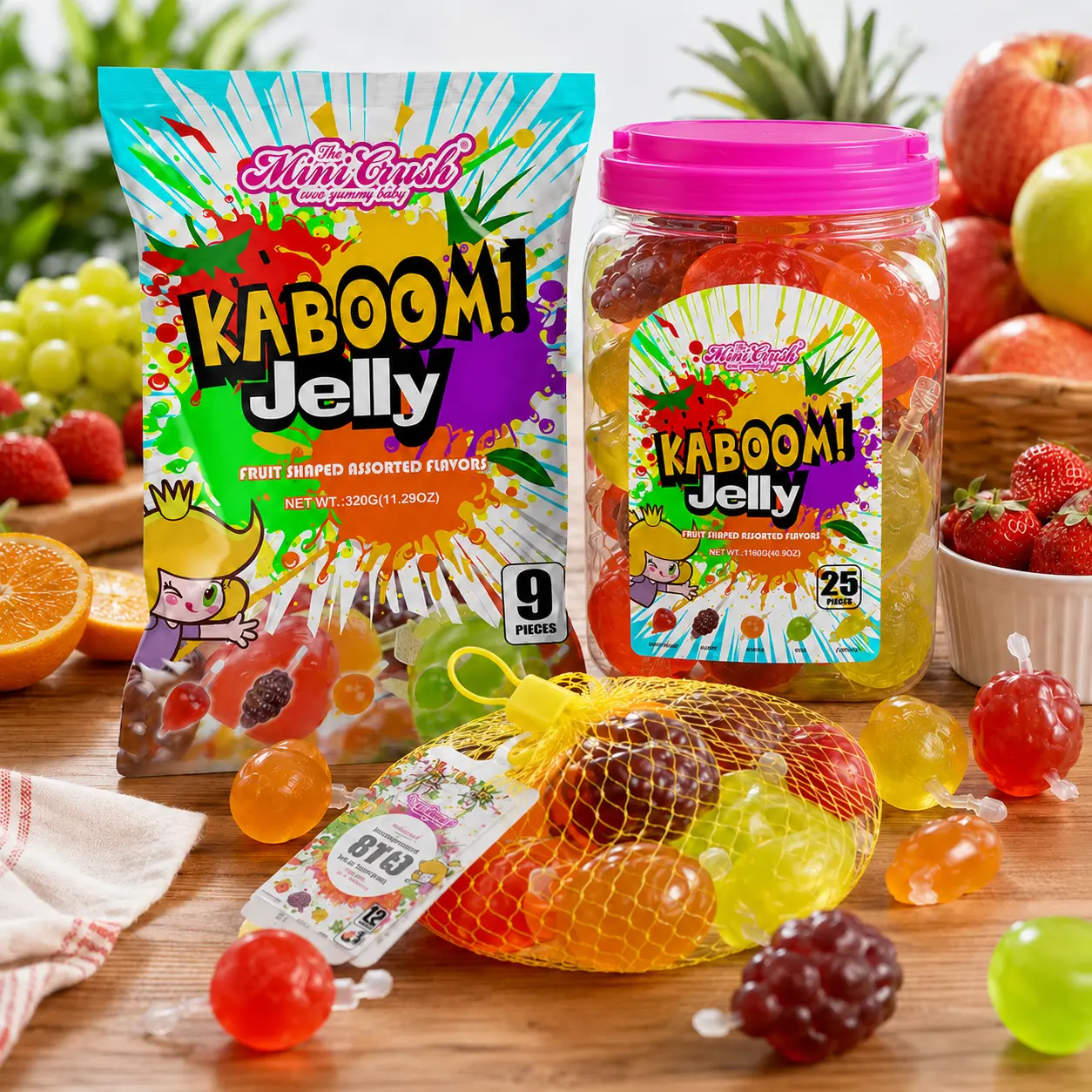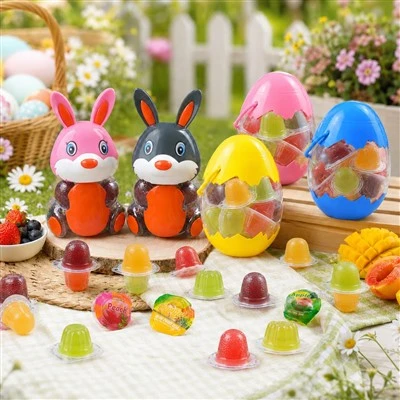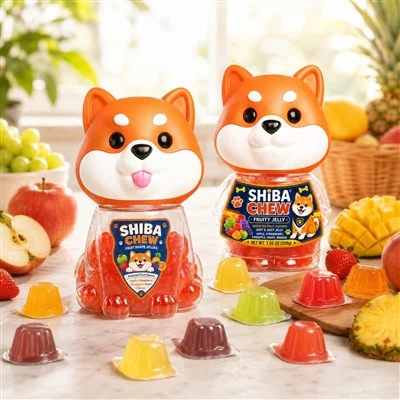


Sourcing slime liquid candy for EU retail isn't just about finding a supplier-it's about ensuring every step meets strict regulatory standards to avoid costly delays or rejections. Many buyers struggle with unclear compliance requirements, leading to shipment holds or lost sales. This article breaks down exactly what you need to verify for seamless EU market entry. We'll focus on practical steps to build a reliable, long-term procurement strategy without the jargon. By the end, you'll know how to spot a truly compliant partner and keep your shelves stocked with confidence.

What Buyers Validate First: The Non-Negotiables for EU Entry
When evaluating slime liquid candy suppliers, your first checkpoint is always compliance documentation. Forget flashy marketing-start with the basics. EU retailers demand proof that products align with the General Food Law Regulation (EC) No 178/2002 and the Novel Foods Catalogue. Slime liquid candy often uses unique gelling agents like carrageenan or pectin, which must be pre-approved for EU use. Suppliers should provide clear, up-to-date certificates showing ingredient safety and origin. For example, if the candy includes color additives like E120 (carmine), it must comply with EU limits. A reliable partner won't hide behind vague claims; they'll share batch-specific test reports from accredited labs. This upfront transparency saves you time during customs clearance and builds trust for repeat orders. Always ask for the full ingredient list translated into English or the retailer's local language-no exceptions.
SKU Structure Rules: Designing for Efficiency and Reorder Simplicity
A well-organized SKU structure isn't just tidy-it prevents inventory chaos. For slime liquid candy, limit core SKUs to 3–5 variants based on flavor (e.g., berry, citrus, tropical) and size (single-serve pouches, multi-packs). Avoid overcomplicating with seasonal or limited editions early on; these increase forecasting errors and dead stock. Instead, use a simple coding system like "SLC-BERRY-50G" for easy identification. This clarity helps your team reorder faster and reduces warehouse mistakes. Remember, EU retailers often require minimum order quantities (MOQs) per SKU, so prioritize high-turnover items. A streamlined structure also simplifies compliance tracking-each SKU should have its own dedicated documentation folder with certificates, reducing mix-ups during audits.
Compliance Clarity: Certifications That Actually Matter for EU RetailNot all certifications are equal in the EU market.
Focus on these three essentials:
BRCGS Global Standard for Food Safety: This is non-negotiable for major supermarkets like Tesco or Carrefour. It covers everything from ingredient sourcing to factory hygiene.
EU Organic Certification (if applicable): Only use if your product qualifies-false claims trigger immediate rejection.
HALAL or Kosher Certificates: Critical for broad market access, especially in diverse regions like Germany or France.
Avoid suppliers pushing unnecessary extras like "eco-friendly" labels without proof. Instead, verify certificates through official databases (e.g., BRCGS Directory). Slime liquid candy often faces scrutiny for packaging materials, so ensure your supplier has FDA-compliant or EU-plastic directives documentation for wrappers. A trustworthy manufacturer provides digital access to live certificates, updated quarterly, so you can check validity anytime. This prevents last-minute surprises when shipments arrive at EU ports.

Shelf Performance: How Compliance Drives Repeat Purchases
Compliance isn't just red tape-it directly impacts how well slime liquid candy sells on shelves. EU consumers scan packaging for clear allergen statements (e.g., "Contains: Soy") and ingredient origins. If labels lack this, retailers pull products fast. Work with suppliers who design packaging with EU font-size rules in mind: minimum 1.2mm height for critical info. Also, ensure shelf-life dates follow "best before" formats (DD/MM/YYYY), not "use by." Products with transparent compliance see 20–30% higher repeat purchase rates because shoppers trust them. For example, candies labeled "gluten-free" with certified logos attract loyal buyers in health-conscious markets like Scandinavia. Prioritize suppliers who test packaging legibility with real EU focus groups-this small step boosts your shelf turnover.
Reorder Stability: Building a Supplier Relationship That Lasts
Long-term reorders depend on consistent compliance, not just low prices. Start by confirming your supplier's audit history. Top manufacturers like Nantong Litai Jianlong Food Co., Ltd. (MiniCrush) undergo annual third-party checks for ISO22000 and HACCP, ensuring production never cuts corners. Their 15+ years of export experience means they anticipate EU regulation shifts-like the 2025 update to plastic packaging taxes-and adjust formulas proactively. During initial talks, ask: "How do you notify buyers of regulation changes?" A strong partner shares monthly compliance bulletins. Also, verify their raw material traceability; slime liquid candy using traceable pectin sources avoids contamination risks that cause batch recalls. This stability means you reorder without fear of mid-season halts.

Use this quick guide before signing any contract:
- Full ingredient list with EU-approved additives (e.g., E-numbers verified via EU Food Safety Authority database)
- Current BRCGS and HALAL/Kosher certificates (check expiry dates-no older than 6 months)
- Packaging mock-ups showing compliant allergen labeling and font sizes
- Proof of factory audits by Disney or Costco (indicates retail-grade standards)
- Shelf-life validation report (minimum 6 months under EU storage conditions)
- Digital certificate access for real-time verification
Buyers often trip up on these:
Overlooking regional variations: Assuming one certification fits all EU countries (e.g., France bans certain colors allowed in Spain).
Trusting verbal promises: Accepting "we'll handle compliance later" instead of seeing documented proof upfront.
Ignoring packaging specs: Using non-compliant inks or wrappers that fail EU migration tests.
SKU sprawl: Launching 10+ flavors at once, making compliance tracking impossible and straining inventory.
Skipping supplier audits: Relying on certificates alone without verifying factory conditions via video tours.
Slime liquid candy with crystal-clear compliance isn't just easier to sell-it's easier to keep selling. When every document is organized, every label is precise, and every batch meets standards, you eliminate the guesswork that kills repeat orders. This structure turns one-time purchases into decade-long partnerships, ensuring your shelves stay full while competitors scramble to fix errors. Choose partners who treat compliance as a foundation, not an afterthought, and watch your reorders grow steadily.