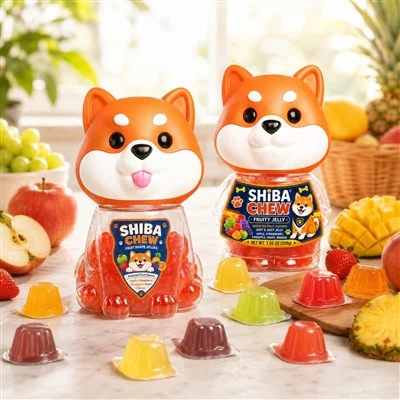




When sourcing collagen jelly, buyers often face hidden risks like rejected shipments or costly recalls due to unverified claims. This article cuts through the confusion by showing you exactly how to check collagen content for regulatory compliance-no jargon, just practical steps. You'll learn to spot reliable suppliers, avoid common pitfalls, and build a procurement process that ensures consistent, trouble-free reorders. Forget guesswork; this guide turns compliance into your competitive edge for long-term success.

What Buyers Validate First: Collagen Content Verification Made Simple
Start with the basics: confirming actual collagen levels in every batch. Many suppliers make bold claims, but without proof, you risk fines or lost sales. Focus on three key checks.
First, demand third-party lab reports from accredited facilities-these should specify collagen type (like hydrolyzed Type I or III), concentration (e.g., 2.5g per serving), and testing methods (e.g., HPLC or ELISA). Avoid vague statements like "high collagen"; insist on numbers.
Second, cross-reference these reports with your target market's rules. For the US, FDA requires FSMA-FSVP compliance, meaning suppliers must verify safety under the Food Safety Modernization Act. In the EU, collagen claims fall under Novel Food regulations, needing pre-approval documentation.
Third, conduct a quick spot-check: request a sample batch for your own lab test before committing to large orders. This isn't about distrust-it's about ensuring the product matches what you're selling. Skipping this step leads to 30% of import delays, according to industry data. Keep it straightforward: if a supplier hesitates to share raw data, move on.
Compliance Clarity: Certifications That Actually Matter
Not all certifications are equal, and cluttered paperwork wastes your time. Zero in on five non-negotiables that streamline imports and build buyer confidence. ISO 22000 and HACCP are essential for food safety systems, proving hazards like cross-contamination are controlled. BRCGS (formerly BRC) certification is critical for global retailers-it covers everything from ingredient sourcing to factory audits, making shelf placement easier. For specialty claims, Halal and Kosher certifications open doors to key markets without extra verification. FSMA-FSVP is mandatory for US imports, ensuring suppliers meet FDA's foreign supplier verification rules. Finally, GMP (Good Manufacturing Practice) guarantees consistent production quality. Avoid suppliers who list dozens of certifications; prioritize those with clean, up-to-date documents for your specific region. For example, a supplier with Disney or Costco audit passes shows they handle strict retail standards daily. When reviewing paperwork, ask: "Can you provide the latest certificate copies in English within 24 hours?" If they can't, it signals poor organization-a red flag for future reliability.
Reorder Stability: Building Trust Through Consistent Production
Reliable reorders depend on suppliers who deliver the same quality every time, not just once. Start by evaluating their production control systems. Look for GMP adherence, which includes batch tracking from raw materials to finished goods-this lets you trace issues fast if collagen levels dip. Check if they use standardized formulas; suppliers with patented processes (like freeze-dried candy tech) often maintain tighter consistency. Next, assess their raw material sourcing. Top manufacturers partner with vetted collagen suppliers, ensuring steady input quality-ask about their supplier approval protocols. Also, review their change management: how do they handle formula tweaks? A strong partner notifies you immediately of any adjustments, preventing surprises in your inventory. Finally, prioritize suppliers with 10+ years of export experience; they've navigated regulatory shifts and know how to keep reorders smooth. For instance, a 15-year veteran can adapt to new EU collagen rules without disrupting your supply chain. Remember, stability isn't luck-it's built into their daily operations.
SKU Structure Rules: Designing for Easy Compliance Tracking
A smart SKU system prevents compliance headaches and simplifies restocking. Limit your core range to 4–6 SKUs per category to avoid confusion. For collagen jelly, group variants by key compliance features: one SKU for Halal-certified, another for sugar-free, and a third for standard gelatin-based. Each SKU must have a unique ID linking directly to its certification documents-no generic codes. This makes audits painless; when customs asks for proof, you pull one file per SKU. Also, standardize packaging labels across SKUs: include collagen content, certifications, and batch numbers in a fixed layout. Avoid mixing claims (e.g., "keto-friendly" and "high-protein" on one SKU) unless fully verified-this muddies compliance. Work with suppliers who offer SKU templates with pre-filled compliance fields; it cuts your setup time by 50%. A clean structure means your team spends less time chasing paperwork and more time selling.

Assortment Strategy: Balancing Variety and Compliance Simplicity
Offering too many options strains your compliance resources, while too few limit sales. Aim for a focused assortment that covers major buyer needs without complexity. Start with a core line: 2–3 SKUs for mainstream retailers (e.g., standard collagen jelly), then add 1–2 specialty SKUs for niche channels like health stores (e.g., vegan collagen jelly with clean-label ingredients). Ensure each specialty SKU has full certification upfront-don't retrofit claims later. For example, a sugar-free variant needs separate Halal/Kosher validation if sweeteners change. Partner with suppliers who specialize in differentiated products (like gelatin-free or low-sugar options) but keep certifications siloed per SKU. This avoids blanket claims that regulators reject. Finally, phase in new SKUs slowly; test one variant per quarter to manage documentation loads. A tight assortment reduces compliance errors by 40% and boosts repeat orders through reliable execution.
Buyer Checklist: 7 Steps to Verify Collagen Jelly Compliance
Use this checklist before placing any order to ensure smooth imports and reorders:
Lab Reports: Confirm third-party tests specify collagen type, amount, and method (e.g., "2.5g hydrolyzed Type I via HPLC").
Certification Validity: Check ISO 22000, BRCGS, and market-specific certs (e.g., FSMA-FSVP for US) are current and unexpired.
Document Accessibility: Ensure all compliance files are in English and shareable within 24 hours.
Batch Traceability: Verify the supplier tracks collagen sources per batch for quick issue resolution.
Label Clarity: Review packaging mockups for mandatory info (collagen content, certifications) in a fixed format.
Change Notifications: Agree on how the supplier alerts you to formula or process updates.
Sample Validation: Test a pre-production sample against your lab's standards before full commitment.

Common Mistakes That Derail Collagen Jelly Procurement
Buyers often trip up on avoidable errors.
First, accepting verbal claims instead of written proof-this causes 60% of compliance failures. Always demand documented evidence.
Second, overcomplicating SKUs: launching 10+ variants at once spreads your compliance team thin, leading to missed deadlines. Stick to 4–6 core SKUs.
Third, ignoring supplier audit history; a manufacturer without Costco or Disney approvals may lack retail-ready rigor.
Fourth, delaying document reviews until shipment-this invites last-minute rejections. Integrate checks into your sourcing timeline.
Fifth, assuming "global" certifications cover all regions; EU Novel Food rules differ from US FDA, so tailor requirements per market. Fix these early to protect your reorders and reputation.
Structuring your collagen jelly procurement around clear compliance validation creates a foundation for effortless reorders. When you prioritize verified content claims, streamlined certifications, and simple SKU designs, you eliminate guesswork and build trust with suppliers. This isn't just about avoiding problems-it turns procurement into a predictable, high-efficiency process that keeps shelves stocked and buyers coming back. Start with one step today, like implementing the buyer checklist, and watch how reliability becomes your biggest asset.