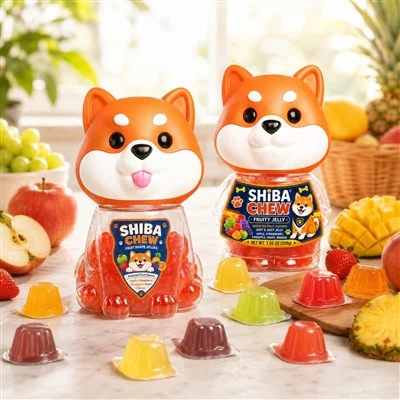




The global gummy candy market has evolved far beyond traditional gummy bears. Today, consumers are looking for innovative flavors, functional ingredients, vegan alternatives, unique textures, and customized packaging. At the same time, brands, importers, wholesalers, and retailers are searching for reliable manufacturing partners capable of delivering consistent quality, flexible customization, and scalable production.
Whether you're launching a new confectionery brand, expanding your existing product portfolio, or sourcing products for private label programs, understanding how gummy candy is made is essential. The manufacturing process directly influences product texture, shelf life, flavor stability, appearance, and production efficiency-all critical factors that affect market success.
Unlike homemade gummy recipes, commercial gummy production relies on sophisticated equipment, carefully controlled formulations, food safety systems, and years of manufacturing expertise. Every stage, from ingredient selection to final packaging, requires precision to ensure that every gummy meets quality standards while maintaining consistency across thousands-or even millions-of pieces.
As a professional gummy candy manufacturer, LITAFOOD has more than 20 years of experience in confectionery production, providing OEM and ODM solutions for global brands, distributors, importers, supermarkets, and private label customers. Our manufacturing capabilities cover traditional gelatin gummies, vegan pectin gummies, filled gummies, collagen jelly, functional gummies, novelty gummies, seasonal candies, and customized confectionery solutions.

In this comprehensive guide, you'll learn:
What gummy candy is made of
The different types of gummy formulations
How gummy candy is manufactured in a modern factory
What determines gummy texture and shelf life
How manufacturers customize gummies for different markets
What wholesale buyers should consider when selecting a gummy candy supplier
Whether you're new to the confectionery industry or an experienced purchasing manager, this guide will help you better understand commercial gummy production and make more informed sourcing decisions.
What Is Gummy Candy?
Gummy candy is one of the world's most popular chewy confectionery products. Unlike hard candies or chocolates, gummies are built around a carefully designed gel structure that creates their signature soft, elastic, and chewy texture.
The foundation of every gummy candy lies in its gelling system. By combining specific gelling agents with sweeteners, flavors, colors, and other functional ingredients, manufacturers can create a wide variety of textures ranging from soft and juicy to firm and chewy.
Modern gummy candy has expanded far beyond traditional fruit-flavored gummy bears. Today's market includes premium confectionery products designed for different consumer preferences, dietary requirements, and retail channels.
At LITAFOOD, we manufacture a diverse portfolio of gummy products, including:
- Classic Fruit Gummies
- Filled Gummy Candy
- Gooey Gummies
- Pectin Gummies
- Vegan Gummies
- Functional Gummies
- Vitamin Gummies
- Collagen Jelly
- Soft Lollipops
- Salad Gummies
- Seasonal Gummies
- Custom Novelty Gummies
Each product category serves different consumer groups and retail markets, allowing brands to develop differentiated product lines while maintaining consistent product quality.
As global demand continues to shift toward healthier confectionery options, manufacturers are increasingly developing products with reduced sugar, plant-based ingredients, added dietary fiber, vitamins, collagen, probiotics, and functional nutrition. These innovations have transformed gummy candy from a traditional snack into a versatile confectionery category that appeals to consumers of all ages.

What Is Gummy Candy Made Of?
Although gummy candy appears simple, every piece is the result of a carefully balanced formulation. Professional manufacturers precisely control ingredient ratios to achieve the desired texture, flavor, appearance, shelf life, and production efficiency.
Below are the core ingredients commonly used in commercial gummy manufacturing.
1. Gelling Agents
The gelling agent is the most important component in gummy candy production because it determines the final texture.
Common gelling systems include:
Gelatin
Gelatin remains the most widely used ingredient for traditional gummy candy. Derived from animal collagen, gelatin creates the classic soft, stretchy, and elastic texture consumers recognize worldwide.
Advantages include:
- Excellent chewiness
- High transparency
- Smooth mouthfeel
- Strong flavor release
Gelatin gummies are especially popular in North America, Europe, and many Asian markets.
Pectin
Pectin is extracted from fruit peels and has become increasingly popular as demand for vegan and plant-based confectionery continues to grow.
Compared with gelatin, pectin offers:
- Plant-based formulation
- Clean-label positioning
- Firmer bite
- Excellent flavor release
- Vegan-friendly applications
Many premium confectionery brands now choose pectin to meet evolving consumer preferences.
Modified Starch
Modified starch systems provide another alternative for gummy production. Depending on the formulation, starch-based gummies can offer unique textures and improved stability for specific applications.
They are commonly used in:
- Halal gummies
- Kosher gummies
- Vegan products
- Specialty confectionery
Agar
Agar is a seaweed-derived gelling agent widely used in certain Asian confectionery markets.
Although less common than gelatin or pectin, agar provides:
- Firm texture
- Heat resistance
- Plant-based formulation
- Distinctive bite
Some specialty gummy products combine agar with other hydrocolloids to achieve customized textures.
2. Sweeteners
Sweeteners provide not only sweetness but also play an essential role in texture, moisture control, and shelf stability.
Commercial gummy production commonly uses:
- Sugar
- Glucose Syrup
- Corn Syrup
- Fructose Syrup
- Maltitol
- Isomalt
- Allulose
- Erythritol
For healthier product positioning, many modern formulations replace part of the sugar with alternative sweeteners while maintaining excellent taste and texture.
At LITAFOOD, our R&D team can develop customized formulations based on regional regulations and customer requirements, including reduced-sugar and sugar-free gummy solutions.
3. Water
Water activates the gelling system during production and helps dissolve ingredients during cooking.
During manufacturing, part of the water evaporates under carefully controlled conditions to reach the desired moisture level.
Moisture content directly affects:
- Chewiness
- Shelf life
- Stability
- Texture consistency
Even slight variations can significantly change the final eating experience.
4. Acidulants
Acidulants balance sweetness while enhancing fruit flavors.
Common acidulants include:
- Citric Acid
- Malic Acid
- Lactic Acid
- Tartaric Acid
For sour gummies, manufacturers carefully adjust acid levels to create the desired tangy taste without affecting product stability.
5. Flavors
Flavor selection is one of the biggest factors influencing consumer purchasing decisions.
Popular commercial flavors include:
- Strawberry
- Peach
- Mango
- Lemon
- Orange
- Watermelon
- Blue Raspberry
- Mixed Berry
- Cola
- Tropical Fruit
Manufacturers may use natural flavors, nature-identical flavors, or artificial flavors depending on the target market and product positioning.
LITAFOOD also supports fully customized flavor development based on local consumer preferences.
6. Colors
Visual appeal strongly influences purchasing behavior.
Professional gummy manufacturers use color systems that remain stable throughout cooking and storage.
Options include:
- Natural Colors
- Fruit Concentrates
- Beetroot Extract
- Spirulina
- Carrot Extract
- Artificial Food Colors
The choice depends on customer requirements, regulatory standards, and target markets.
7. Functional Ingredients
One of the fastest-growing trends in the confectionery industry is functional gummy candy.
Instead of serving only as a sweet snack, gummies increasingly deliver added nutritional value.
Popular functional ingredients include:
- Vitamin C
- Multivitamins
- Collagen
- Probiotics
- Prebiotic Fiber
- Calcium
- Zinc
- Electrolytes
- Plant Extracts
These products have become popular in health-conscious markets, creating new opportunities for brands looking to expand beyond traditional confectionery.
At LITAFOOD, our R&D team collaborates closely with customers to develop customized functional gummies tailored to specific nutritional goals, regional regulations, and consumer preferences.
Why Texture Matters in Commercial Gummies
Consumers often judge gummy candy within seconds of taking the first bite. Texture is one of the most important quality indicators, influencing repeat purchases and brand loyalty.
Achieving consistent texture at commercial scale requires far more than selecting the right ingredients. Manufacturers must carefully control every aspect of production, including ingredient ratios, cooking temperatures, depositing accuracy, cooling conditions, drying time, and moisture levels.

Several factors influence the final texture of gummy candy:
Gelling System: Gelatin creates a soft and elastic chew, while pectin delivers a firmer bite. Agar and starch-based systems produce distinct textures suited to specific product concepts.
Sweetener Ratio: The balance of sugar and syrups affects chewiness, sweetness, stickiness, and crystallization.
Cooking Process: Precise temperature and cooking time ensure complete dissolution of ingredients while achieving the desired solids content.
Moisture Content: Proper water activity is essential for maintaining softness without compromising shelf life.
Cooling and Conditioning: Controlled cooling allows the gel structure to stabilize, ensuring consistent texture and reducing deformation during packaging.
Finishing Treatments: Oil coating, sugar sanding, or sour coatings not only enhance appearance but also influence the eating experience.
At LITAFOOD, every production batch undergoes strict process control to ensure that each gummy delivers the same texture, appearance, and flavor profile-whether produced for retail brands, wholesalers, or private label programs.