



Introduction
Texture is one of the defining characteristics of jelly products, influencing their mouthfeel, appearance, and overall consumer experience. Whether it is soft fruit-shaped jelly or smooth pudding, products should maintain consistent firmness, elasticity, and moisture across different production batches. For wholesalers, importers, and distributors, noticeable texture differences between batches can affect product acceptance and customer satisfaction. Manufacturers therefore need to manage several factors, from ingredient selection and formulation to production processes and quality testing, to maintain consistent jelly quality.

Why Is Texture Consistency Important for Jelly Products?
Consistent texture is essential for maintaining product quality and meeting market expectations. Several aspects make it particularly important for commercial jelly production.
Maintaining a Consistent Eating Experience
Jelly products are expected to deliver a recognizable mouthfeel, whether soft, smooth, chewy, or juicy. Significant differences in firmness or elasticity between batches can affect how consumers perceive the product and reduce their confidence in its quality.
Preserving Product Shape
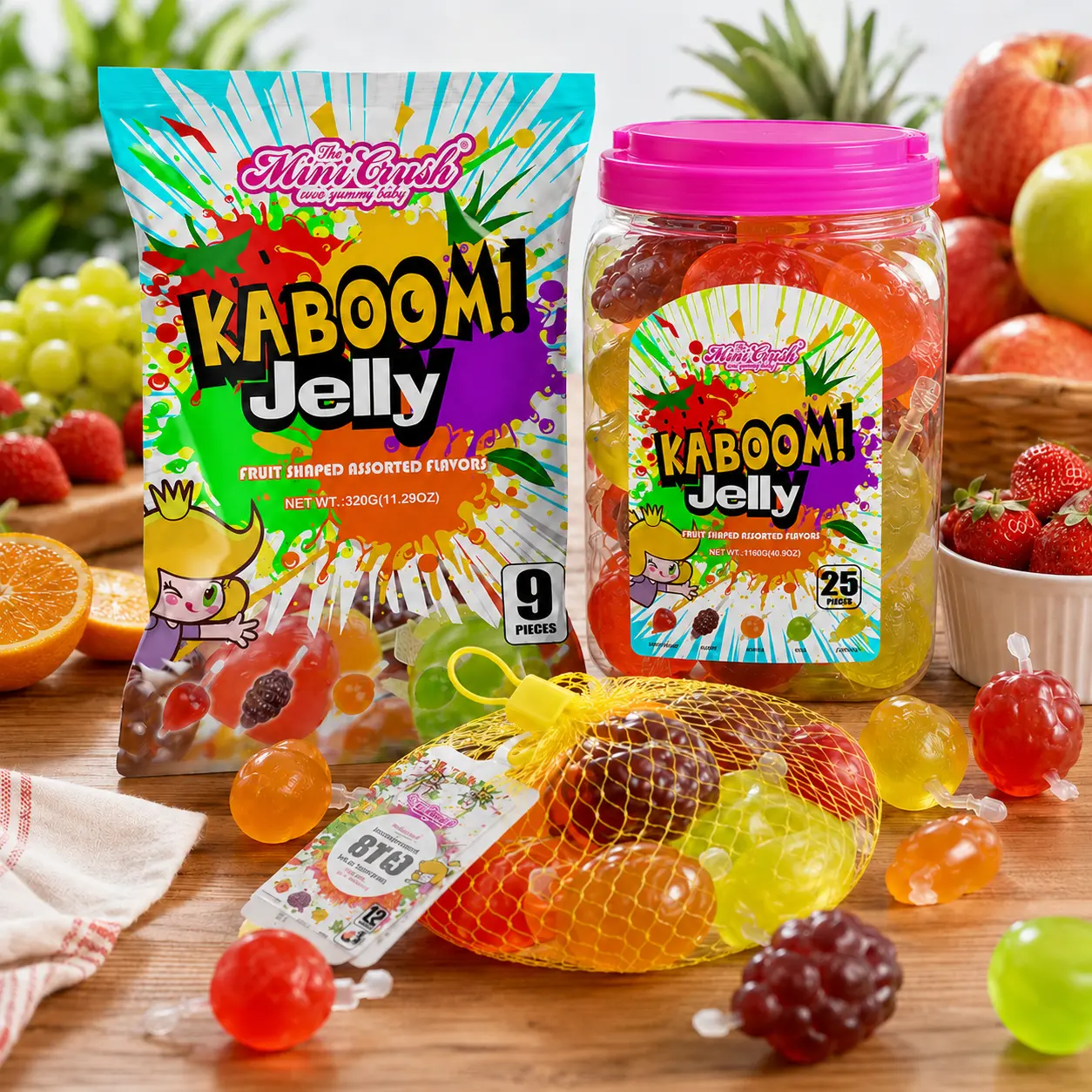
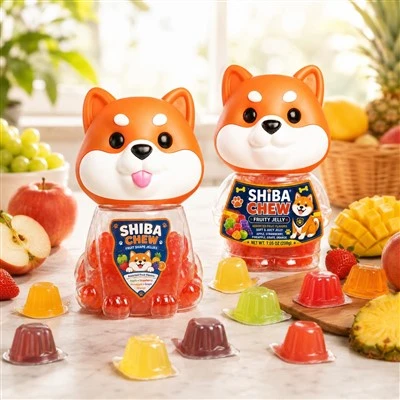
Fruit-shaped jelly relies on a stable gel structure to maintain its intended appearance. If the texture is too soft, products may lose their shape during demolding or handling. Excessive firmness, on the other hand, can make the jelly less pleasant to eat.
Meeting Product Specifications
Commercial buyers often require consistent product characteristics across repeated orders. Maintaining similar texture profiles helps manufacturers meet agreed specifications and reduces quality discrepancies between shipments.
Supporting Brand Reputation
Consumers expect the same product experience when purchasing the same jelly again. Consistent texture helps brands maintain product recognition and supports long-term retail relationships.
What Factors Influence Jelly Texture During Formulation?
Jelly texture is largely determined by its formulation. The interaction between different ingredients influences the final gel structure, firmness, and moisture retention.
Gelling Agent Selection
Gelling agents form the structural foundation of jelly. Ingredients such as gelatin, pectin, agar, and carrageenan have different setting properties and produce different textures. Some formulations create softer, more elastic gels, while others provide firmer structures. Manufacturers need to select suitable gelling systems according to the intended product characteristics and ensure consistent ingredient specifications.
Ingredient Proportions
The proportions of water, sugar, gelling agents, and other ingredients directly influence the final texture. Too much water may weaken the gel structure, while excessive gelling agents can make the product unnecessarily firm. Standardized formulations help manufacturers maintain the intended balance and reduce variations between production batches.
Acidity and Flavor Ingredients
Fruit flavors may involve different acids, flavorings, and other formulation components. Changes in acidity can influence gel formation, particularly in pectin-based systems, while ingredient interactions may also affect the final texture. For assorted fruit-shaped jelly, manufacturers need to account for these differences when developing individual flavor formulations.
Moisture Content and Water Activity
Moisture content influences how soft and juicy a jelly feels, while water activity is relevant to both product stability and microbiological control. Excessive moisture or an unsuitable formulation balance may contribute to weak gel structures or liquid separation. Manufacturers should establish appropriate product specifications rather than relying on moisture adjustments alone.
How Do Manufacturers Maintain Texture Consistency During Production?
Even with a standardized formulation, variations in processing conditions can affect the final gel structure. Manufacturers need to control each production stage to achieve consistent results.
Accurate Weighing and Mixing
Each ingredient should be measured according to the approved formulation. Mixing conditions also need to ensure that ingredients are evenly distributed and properly dissolved. Incomplete mixing may create uneven gel structures, resulting in differences in firmness or texture within the same batch.
Heating Process Control
Heating helps dissolve ingredients and prepare the mixture for gel formation. Manufacturers need to manage processing temperature, heating duration, and mixing conditions according to the formulation. Insufficient heating may leave undissolved ingredients, while excessive processing can affect certain ingredients and alter the final texture.
Filling and Molding Control
For fruit-shaped jelly and individual cup products, filling accuracy and molding conditions influence product consistency. Manufacturers should maintain suitable filling quantities and use standardized molds to ensure uniform product dimensions. Proper handling during demolding also helps prevent deformation before packaging.
Cooling and Gel Setting
After filling or molding, jelly needs suitable cooling conditions to develop its intended structure. Differences in cooling time and temperature can influence firmness and gel formation. Consistent cooling procedures help products reach a similar texture before subsequent handling and packaging.
How Is Jelly Texture Consistency Verified Across Production Batches?
Manufacturers need to evaluate finished products against established quality specifications to identify differences between batches.
Texture Profile Testing: A texture analyzer can measure properties such as hardness, springiness, and cohesiveness. Comparing these results with predefined product standards helps determine whether the jelly has achieved its intended texture.
Sensory Evaluation: Product samples can be assessed for softness, smoothness, elasticity, and mouthfeel. Sensory evaluation provides practical information about eating quality that cannot be fully represented by instrumental measurements alone.
Appearance and Shape Inspection: Manufacturers should examine product dimensions, color, surface condition, and shape retention. This is particularly important for fruit-shaped jelly, where clear contours and uniform appearance contribute to product appeal.
Moisture Separation Checks: Finished products should be observed for visible liquid separation or changes in gel structure. These checks help identify formulation or processing issues that may affect texture during storage.
Batch Record Comparison: Quality inspection results should be recorded and compared across production batches. When deviations occur, manufacturers can review ingredient specifications and processing records to identify possible causes and adjust subsequent production accordingly.
Conclusion
Maintaining consistent jelly texture across batches requires coordinated control of formulation, raw materials, processing conditions, and finished-product testing. From selecting suitable gelling agents to managing mixing, heating, and cooling, each stage contributes to the final product's firmness, smoothness, and shape retention. Regular quality inspections and batch comparisons further help manufacturers maintain established product standards. Contact us today to explore LITAFOOD's Jelly & Pudding products and discuss reliable manufacturing solutions for your wholesale and private label needs.