



Introduction
For wholesalers, importers, and distributors, jelly shelf stability is an important consideration when purchasing in bulk. Long transportation periods, warehouse storage, and different retail sales cycles can affect product quality before it reaches consumers. Changes in texture, flavor, appearance, or packaging may lead to inventory losses and customer complaints. Evaluating shelf stability before placing a large order helps buyers assess product quality, plan inventory, and reduce potential import risks.
Why Does Jelly Shelf Stability Determine Bulk Import Profitability?
Jelly shelf stability affects inventory costs, product value, and the efficiency of bulk purchasing.
Reducing Inventory Losses
Poor stability may cause texture deterioration, liquid separation, or flavor changes before products reach retail shelves. These problems can increase the risk of returns, discounts, and unsold stock.
Preserving Selling Time
International transportation and customs clearance consume part of a product's declared shelf life. A suitable shelf life gives importers more time to distribute and sell inventory after arrival.
Controlling Inventory Costs
Predictable product stability helps buyers plan order quantities and replenishment schedules. It also reduces the pressure to clear stock quickly or maintain excessive inventory as a precaution.
Maintaining Product Value
Changes in appearance, texture, or flavor can affect consumer acceptance and retail pricing. Consistent quality throughout the declared shelf life helps distributors protect product value.
What Product Features Make Export-Grade Jelly More Stable?
Several product characteristics influence how well jelly maintains its original quality during storage.
Consistent Gel Texture
A well-developed gel structure helps maintain the product's softness, smoothness, and elasticity. Buyers should check whether jelly becomes excessively firm, loses its shape, or develops liquid separation during storage. For pudding-style products, texture consistency is equally important.
Balanced Formulation
Gelling agents influence gel strength and texture, while sugar content, acidity, and water activity affect product stability. Buyers should review the formulation and confirm that it has been tested for the declared shelf life. A longer shelf life should not be assumed based on a single ingredient.

Stable Flavor and Appearance
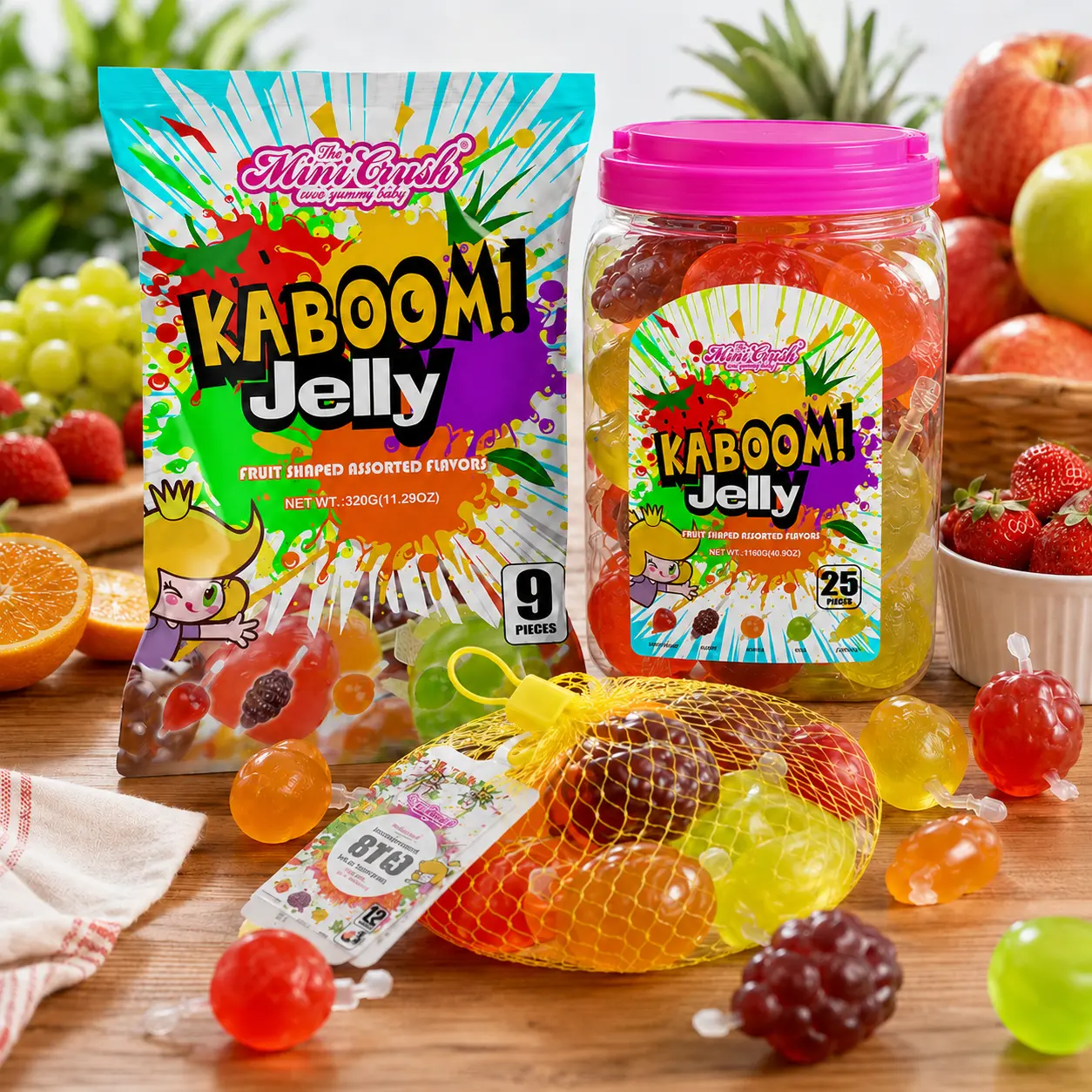
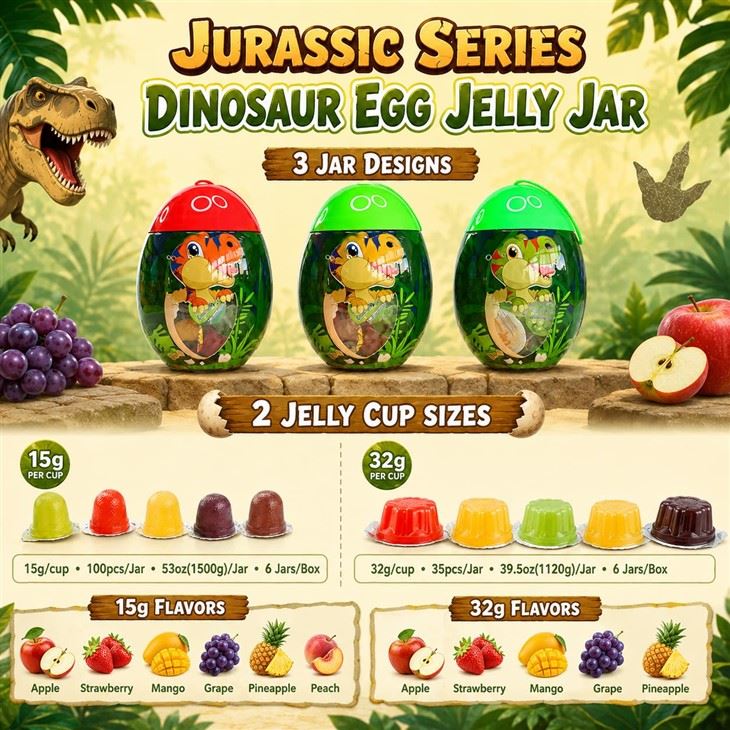
Fruit-flavored jelly relies on its color, aroma, and taste to attract consumers. Changes in flavor intensity or color can reduce product appeal. For assorted products featuring Strawberry, Grape, Orange, Apple, or Pineapple flavors, buyers should evaluate each flavor rather than relying on one sample to represent the entire range.

Protective Packaging
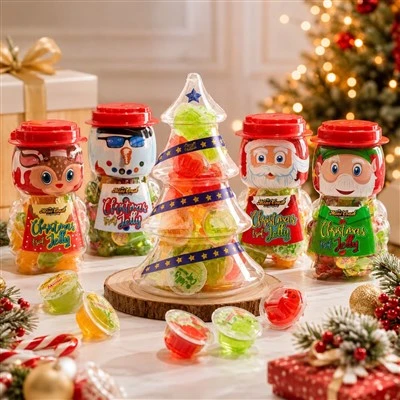
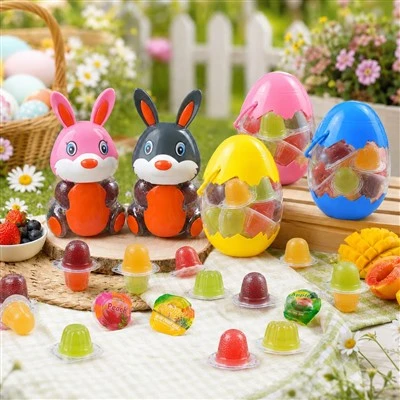
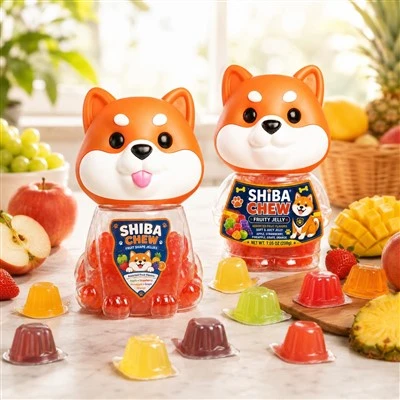
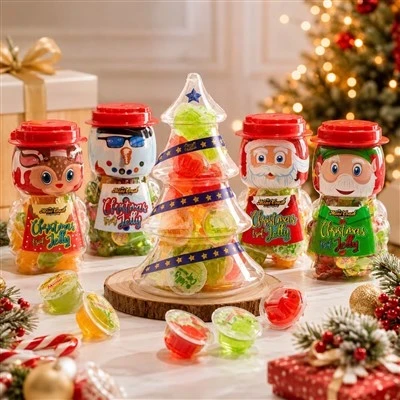
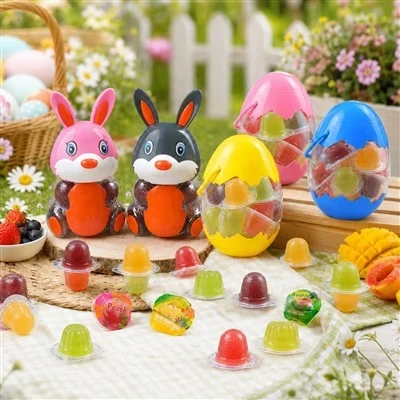
Jelly may be supplied in individual cups, stand-up bags, sharing jars, and other retail formats. Packaging should provide effective sealing, prevent leakage, and protect the product from external contamination. Its structure and materials should also suit the product's storage requirements and transportation conditions.
What Supply Chain & Retail Challenges Can High-Stability Jelly Solve?
Suitable shelf stability helps importers manage common challenges throughout international distribution.
Long Transportation Times
Export shipments may involve multiple transportation stages, customs clearance, and unexpected delays. Products with verified shelf stability under specified storage conditions give importers more flexibility when managing shipping schedules.
Varying Warehouse Conditions
Warehouses in different markets may have varying temperatures, humidity levels, and storage practices. Importers should select products with clearly defined storage requirements that can be maintained throughout their distribution networks.
Repeated Handling During Distribution
Jelly products may undergo multiple loading, unloading, and stacking processes before reaching retailers. Weak packaging can result in leakage, deformation, or damaged seals. Suitable packaging helps maintain product integrity during normal handling.
Different Retail Sales Cycles
Supermarkets, convenience stores, and smaller retailers may have different inventory turnover rates. A suitable shelf life gives distributors more time to allocate stock across sales channels and manage products with different sales speeds.
How Should Importers Evaluate Jelly Shelf Stability Before Placing a Bulk Order?
Before confirming a large order, buyers should verify shelf-life information through documentation, sample testing, and supplier communication.
Check Shelf-Life Details - Confirm the declared shelf life for the specific product variant, including the recommended storage conditions and minimum remaining shelf life required upon arrival. Different formulations and packaging formats may have different specifications.
Review Test Reports - Request available shelf-life records, microbiological test results, and product specifications. Real-time testing shows how a product performs under defined storage conditions, while accelerated testing provides additional information about potential quality changes.
Evaluate Product Samples - Examine texture, flavor, color, aroma, and moisture separation. Where possible, compare samples stored for different periods. Buyers sourcing multiple flavors or packaging formats should evaluate representative samples of each variant.
Inspect Packaging Quality - Check cup seals, pouch closures, and jar structures for potential weaknesses. Consider whether the packaging can withstand normal stacking, handling, and transportation without leakage or deformation.
Assess Supplier Quality Control - Understand how the manufacturer inspects raw materials, production processes, and finished products. Batch records and traceability information can also help buyers verify production consistency and investigate potential quality issues.
Conclusion
Evaluating jelly shelf stability before a large import order involves more than checking the expiration date. Buyers should consider formulation, texture, flavor retention, packaging integrity, storage requirements, and supplier quality control. Reviewing test reports and evaluating samples before mass production can help importers make informed purchasing decisions and reduce inventory risks. Contact us today to explore LITAFOOD's Jelly & Pudding products and discuss suitable product and packaging options for your import market.