


Over the past year, many countries worldwide have made significant adjustments to their tax policies on sugary products. Countries in Asia, Europe, and parts of the Middle East are drafting or strengthening sugar taxes, aiming to guide healthier consumption by increasing the prices of sugary foods. This move not only puts pressure on the traditional confectionery industry but also presents new challenges and opportunities for innovative and functional confectionery companies.
Policy Dynamics and Background
Some European countries are reassessing their existing sugar tax systems, implementing stricter tax rates on high-sugar sweets, with some even including freeze-dried candies and fruit gummies in their tax scope.
Middle Eastern countries are also pushing for additional tax measures on sugary drinks and snacks to control public health expenditures.
Southeast Asian countries, such as Thailand and Malaysia, are exploring raising tax standards on sweets to curb high-sugar consumption among children and young people.
These policy backgrounds indicate that global regulatory agencies are accelerating the promotion of structured consumption of "healthy snacks" by using taxation to drive industry transformation.

Impact on the Confectionery Industry
Sugar taxes directly increase the retail price of sugary foods, potentially causing price-sensitive consumers to reduce their purchases of traditional high-sugar snacks. Businesses face the following challenges:
Cost pass-through pressure – Manufacturers may need to pass on some of the tax burden to consumers, which has a significant impact on mid- to low-priced candy brands.
Formula innovation-driven – To reduce the tax burden, many companies must innovate their formulations, such as reducing sugar content, using alternative sweeteners, and developing low-GI candies.
Marketing strategy shift – Companies are moving away from simply attracting consumers through promotions to promoting health, functionality, and low-sugar features to respond to both regulatory and market pressures.
MiniCrush's Response Strategy
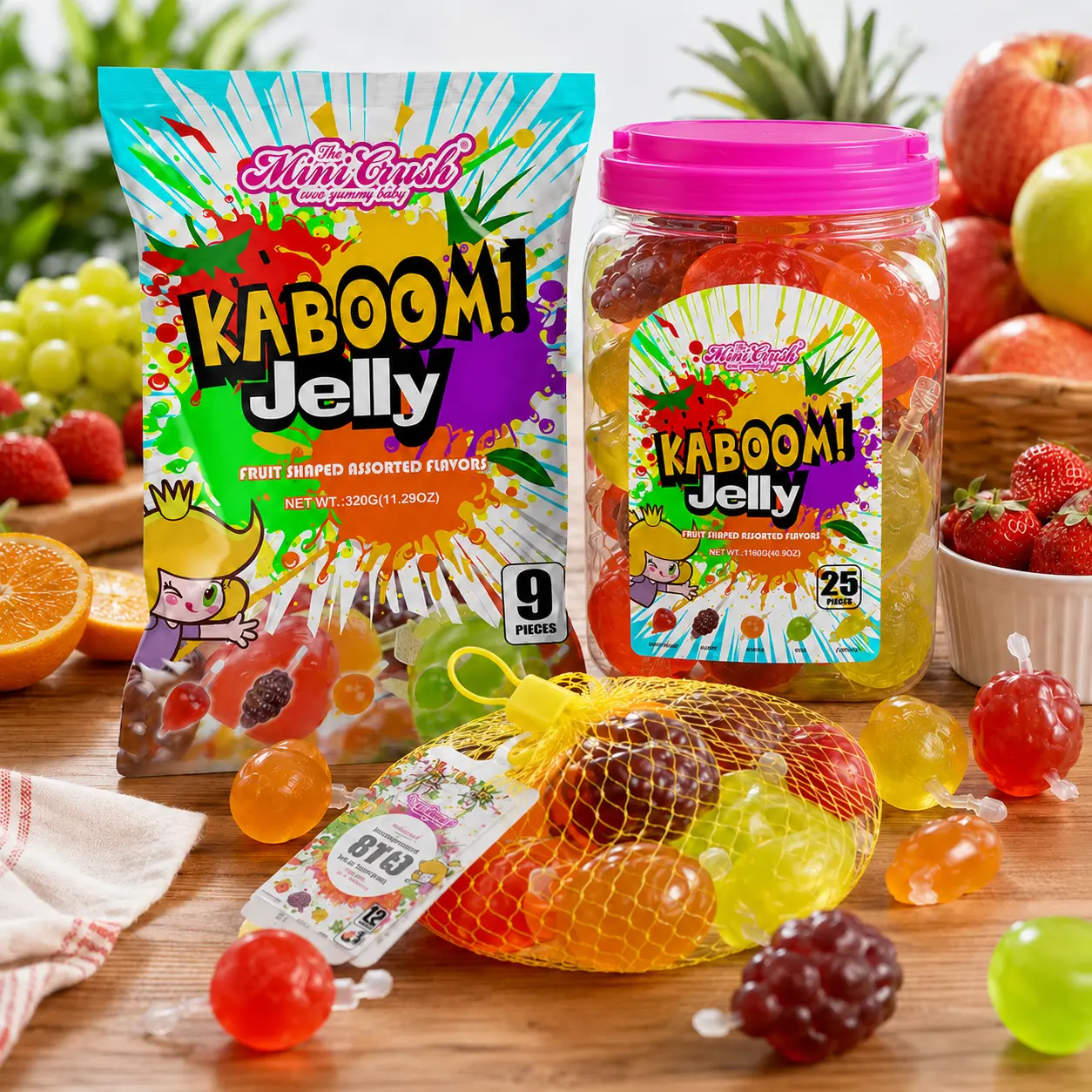
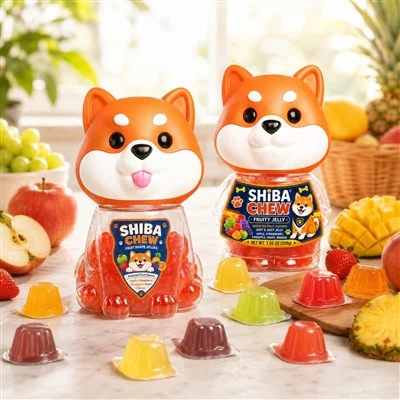
As a leading freeze-dried candy company, MiniCrush has long been aware of the potential impact of changes in sugar tax policies and has implemented several countermeasures:
Innovative Formulations: MiniCrush has accelerated the development of low-sugar and even sugar-free freeze-dried candy lines, using natural sweeteners (such as juice concentrates and plant sugar alcohols) to replace traditional sucrose, thus reducing the likelihood of being taxed.
Product Differentiation: The company has launched candies with more functional attributes, such as products rich in vitamins, fiber, or prebiotics, to increase added value and reduce reliance on simple sweetness. Pricing Strategy: By automating production and scaling up capacity, MiniCrush reduces unit production costs, thereby mitigating the cost pressures from the sugar tax and maintaining competitiveness in both the export and domestic markets.
Industry Outlook and Opportunities
While the sugar tax puts pressure on low-end and high-sugar products, it also presents an opportunity for companies with innovative capabilities and high added value. In the future, consumer demand for healthy snacks is expected to further increase.
MiniCrush stated that the company will continue to strengthen its low-sugar formula research and development and technological accumulation to ensure its global market competitiveness even under the regulatory environment of increased sugar taxes.