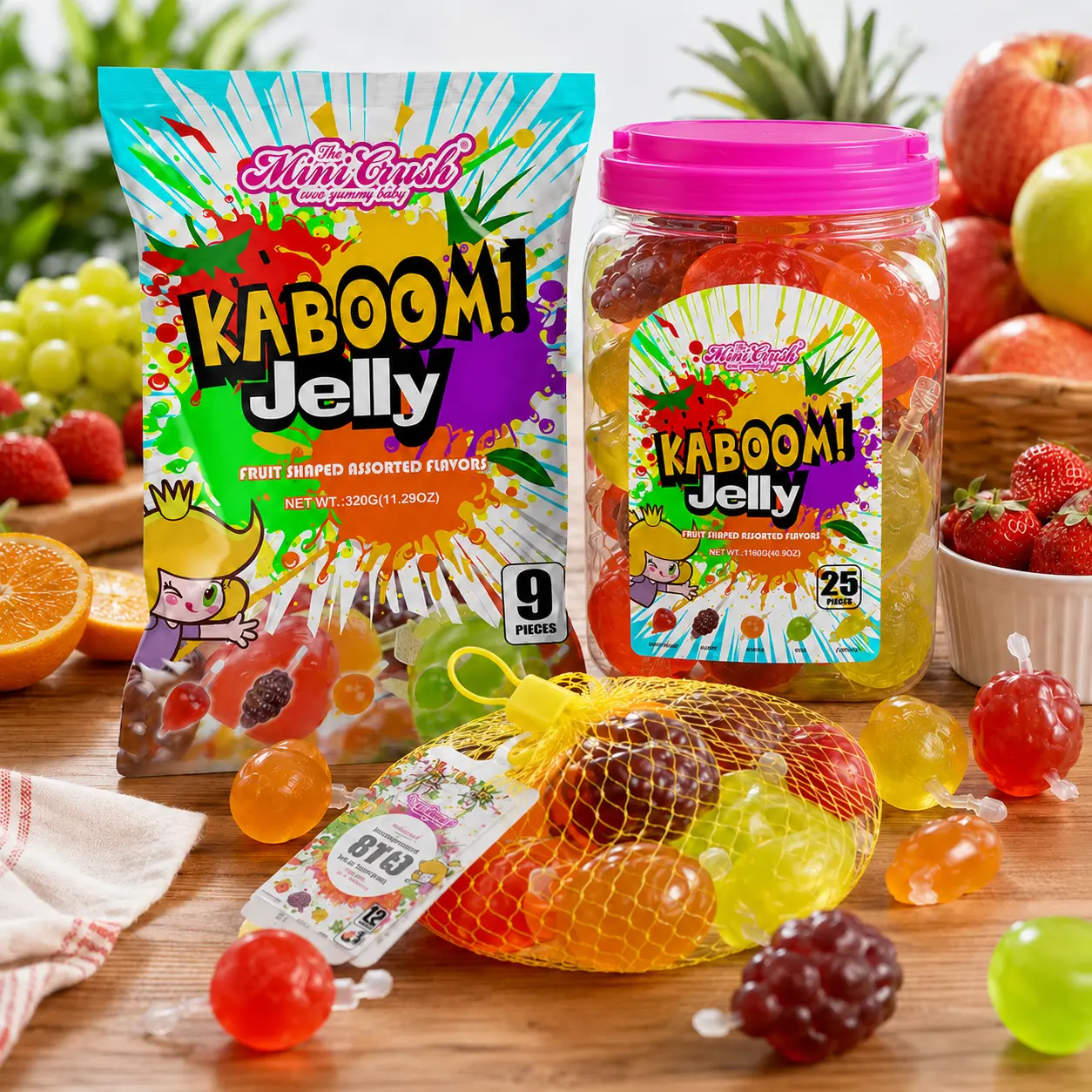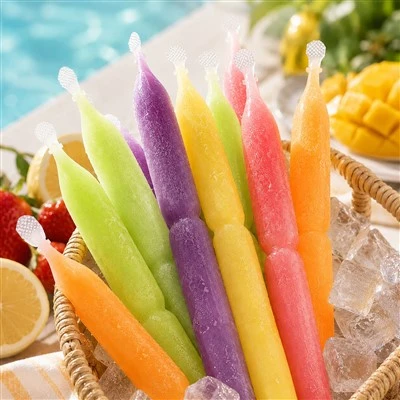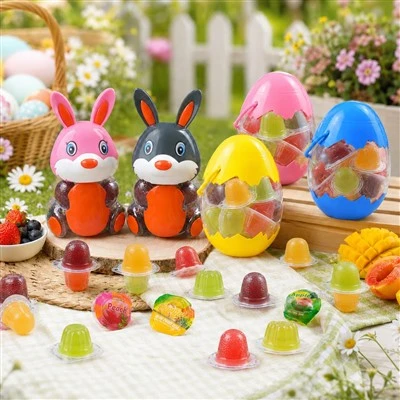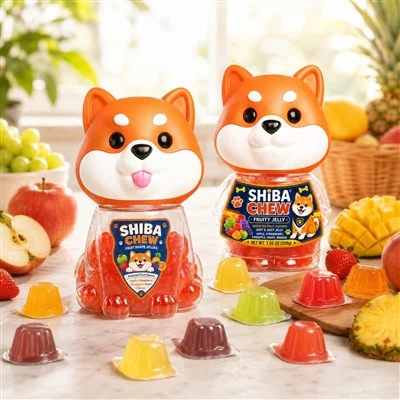




As the global confectionery market continues to evolve, novelty candies that combine interactive textures and playful experiences are gaining increasing attention from brands and distributors. Among them, slime candy has emerged as a distinctive category due to its flowing texture and engaging consumption experience. Products in this category are frequently used in seasonal gift boxes, party snack packs, and themed promotional items. Around occasions such as International Women's Day, retailers often introduce creative candy assortments designed for social sharing and gifting.
However, compared with traditional gummy candies, slime candy requires stricter packaging and quality control standards. Its semi-liquid consistency means that packaging integrity, sealing strength, and transportation durability must be carefully managed. Even minor packaging weaknesses can result in leakage during logistics or storage.
To address these challenges, Litaifood has developed a structured "Leak-Prevention: Three Testing Gates" system. This manufacturing guideline combines sealing strength testing, drop and compression testing, and temperature cycling testing, supported by a final inbound quality control sampling process. The goal is to ensure stable packaging performance from production to warehouse entry, minimizing the risk of leakage during global distribution.

The Importance of Leak Prevention in Slime Candy Production
Slime candy differs from standard gummy products because of its higher moisture content and viscous texture. While this characteristic delivers a fun and unique eating experience, it also increases the risk of product movement inside the container and pressure on packaging seals.
During transportation, confectionery products may be exposed to multiple stress conditions:
- Handling and stacking during logistics operations
- Compression pressure during warehouse storage
- Temperature fluctuations across shipping routes
If packaging materials or sealing processes are not properly engineered, these conditions may lead to leaks or structural failure.
For brands launching themed candy collections for occasions such as International Women's Day, product presentation and packaging reliability are especially important. Any leakage not only affects the appearance of the product but can also lead to retail losses and consumer dissatisfaction. Therefore, reliable manufacturing factories must implement strict leak-prevention procedures.
Leak-Prevention: Three Testing Gates
To ensure slime candy packaging maintains integrity throughout transportation and storage, Litaifood implements a three-stage testing procedure during production.
Gate 1: Seal Strength Test
The first barrier against leakage is the seal strength test. During this stage, packaging seals are evaluated to confirm that they meet required strength specifications.
Testing focuses on several factors:
- Heat-seal bonding strength
- Consistency of sealing temperature
- Packaging laminate integrity
By verifying that the sealing area maintains sufficient bonding strength, manufacturers can prevent seal separation or micro-gaps that could allow slime candy to leak during distribution.
This step forms the primary protection layer for leak prevention.
Gate 2: Drop and Compression Test
The second testing gate simulates real logistics conditions. Candy products are frequently stacked, transported, and handled multiple times before reaching retailers.
To replicate these situations, packaged slime candy undergoes:
Standardized drop testing from controlled heights
Compression testing under stacking pressure
Handling simulation tests
These procedures help evaluate whether packaging containers can withstand impact and pressure without deformation or leakage.
Ensuring structural durability is essential for maintaining product integrity across long shipping routes.
Gate 3: Temperature Cycling Test
The third testing gate focuses on environmental stability.
Candy shipments may travel across multiple climate zones, encountering both high temperatures and cooler storage environments. Temperature cycling tests replicate these fluctuations to assess packaging resilience.
Typical testing conditions include:
Elevated temperature storage simulation
Low-temperature warehouse environments
Repeated heating and cooling cycles
By monitoring packaging performance under temperature changes, manufacturers can identify potential weaknesses that might cause seal failure or structural deformation.
This stage ensures that slime candy packaging remains stable under real international logistics conditions.
Inbound QC Sampling: Final Quality Verification
After the three testing gates are completed, products undergo an inbound quality control inspection before entering warehouse inventory.
The QC team performs random sampling based on predefined inspection ratios. Each sampled unit is evaluated for key quality indicators, including:
- Packaging seal integrity
- Container condition and shape stability
- Visual product appearance
- Weight and specification compliance
Only batches that pass QC sampling are approved for storage and shipment. This additional verification step provides an extra layer of quality assurance, ensuring that all products leaving the factory meet strict performance standards.

Why Leak-Prevention Matters for Seasonal Candy Purchases
Seasonal events such as International Women's Day create strong demand for giftable confectionery products. Brands frequently launch themed candy packaging designed for social gifting, office celebrations, and promotional campaigns.
In these scenarios, packaging quality becomes a critical factor. Leaking products can damage outer packaging, affect retail presentation, and lead to inventory waste.
Manufacturing factories with well-defined testing procedures help reduce these risks. By implementing systematic leak-prevention processes, suppliers can ensure that products arrive in perfect condition, supporting retailers and brand partners during peak seasonal promotions.
Continuous Improvement in Confectionery Manufacturing
As new candy formats continue to emerge, production technology and quality management must evolve accordingly. Litaifood continues to refine packaging materials, sealing technologies, and testing standards to support innovative confectionery products like slime candy.
Future improvements will focus on enhanced packaging engineering, automated inspection systems, and more advanced logistics simulation testing. These developments aim to further strengthen product reliability across global distribution networks.
Through comprehensive quality control and manufacturing expertise, Litaifood remains committed to delivering stable, high-quality confectionery products that meet the evolving needs of international brands and distributors.