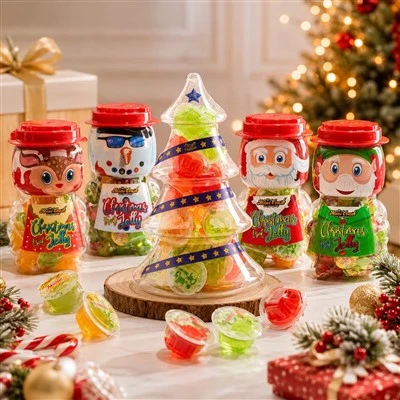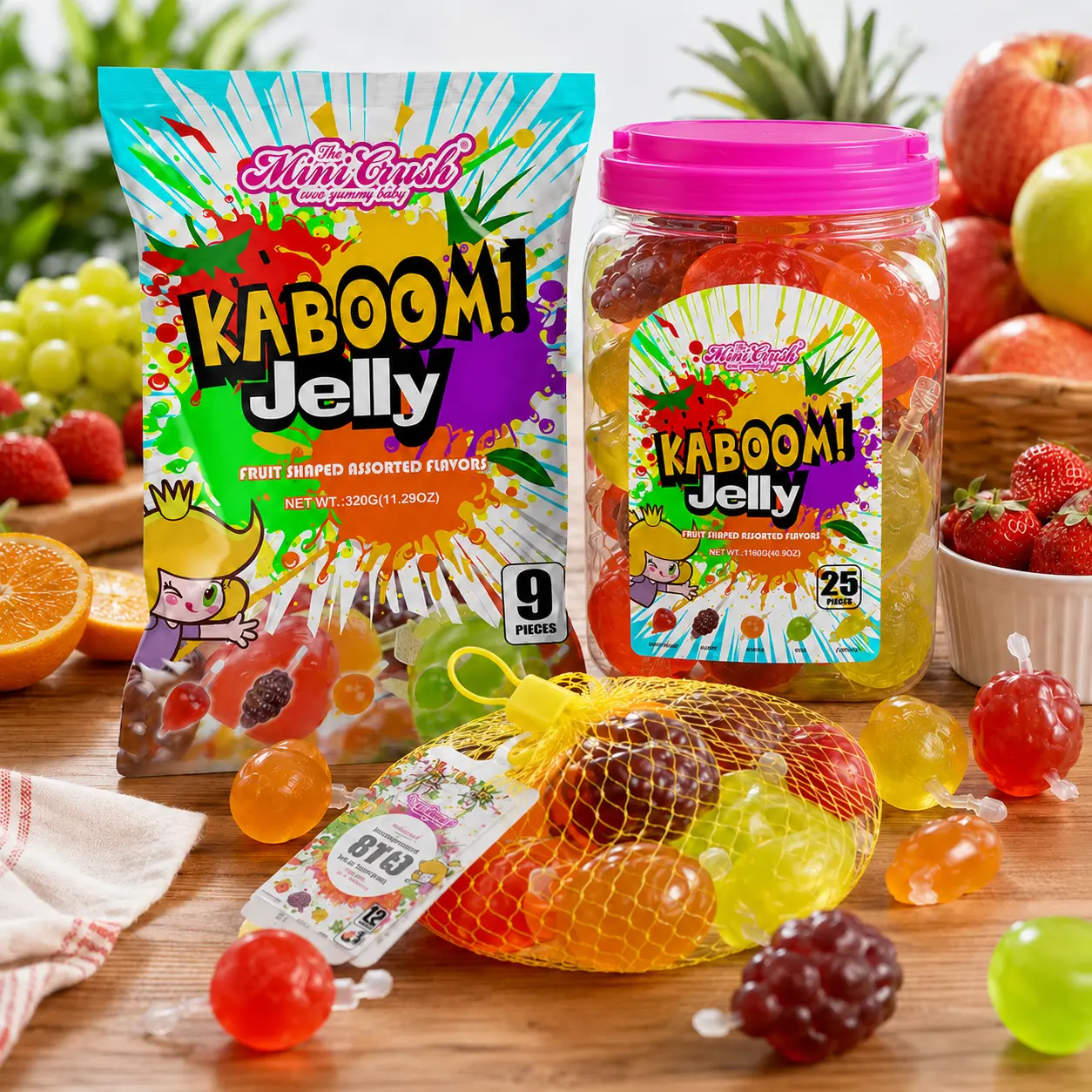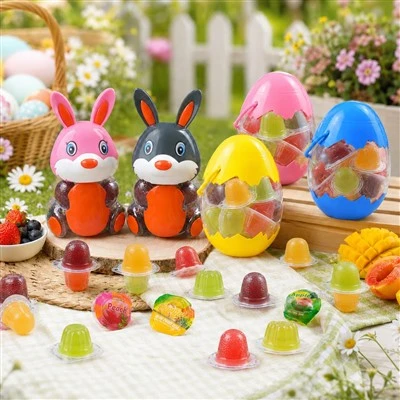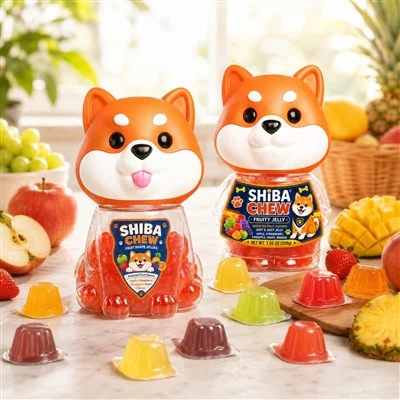



Over the past year, keywords such as "new flavor candy," "unique candy taste," and "international candy flavors" have experienced a continuous increase in global search volume, reflecting a shift in consumer expectations for candy flavors. Candy is no longer just "sweet," but is gradually evolving into a multi-sensory product that integrates memory, culture, and experience.
On the one hand, nostalgic flavors are making a comeback in the mainstream market. Classic fruit flavors, caramel, and vanilla, among other traditional flavors, are being repackaged as "familiar but not outdated" products through formula upgrades and process improvements. These candies often evoke a strong emotional resonance, performing particularly well in family consumption and gift-giving scenarios.
On the other hand, cross-cultural flavors are becoming a significant driving force for market growth. Unique fruits, spices, and sweet and sour combinations from different countries and regions are constantly being introduced into candy products. Exotic flavors not only satisfy consumers' curiosity but also generate higher levels of discussion on social media platforms, making candy a "shareable cultural experience."
Industry experts point out that future competition in candy flavors will no longer be limited to single-flavor innovation, but will focus more on flavor layers, changes during the chewing process, and the overall sensory rhythm. Products that can create distinct memorable experiences in terms of texture and flavor expression are more likely to stand out in a highly competitive market.