

World Cup events create massive, yet unpredictable, spikes in candy demand that challenge even experienced buyers. The emotional connection between fans and the game drives impulse purchases, but inconsistent supply and poorly planned assortments lead to missed opportunities. This article explains how to structure your World Cup candy procurement to capitalize on multiple peak weeks without overstocking. We'll focus on practical evaluation criteria that ensure your seasonal candy program delivers consistent results year after year.
What Buyers Validate First: Quality Assurance and Certifications
When evaluating World Cup candy suppliers, your first checkpoint should be their certification portfolio. Seasonal products face intense scrutiny from consumers who expect both fun and safety. Look for manufacturers with comprehensive international certifications including ISO22000, HACCP, BRC, HALAL, and Kosher. These aren't just paperwork-they represent systems that maintain quality during high-volume production surges.
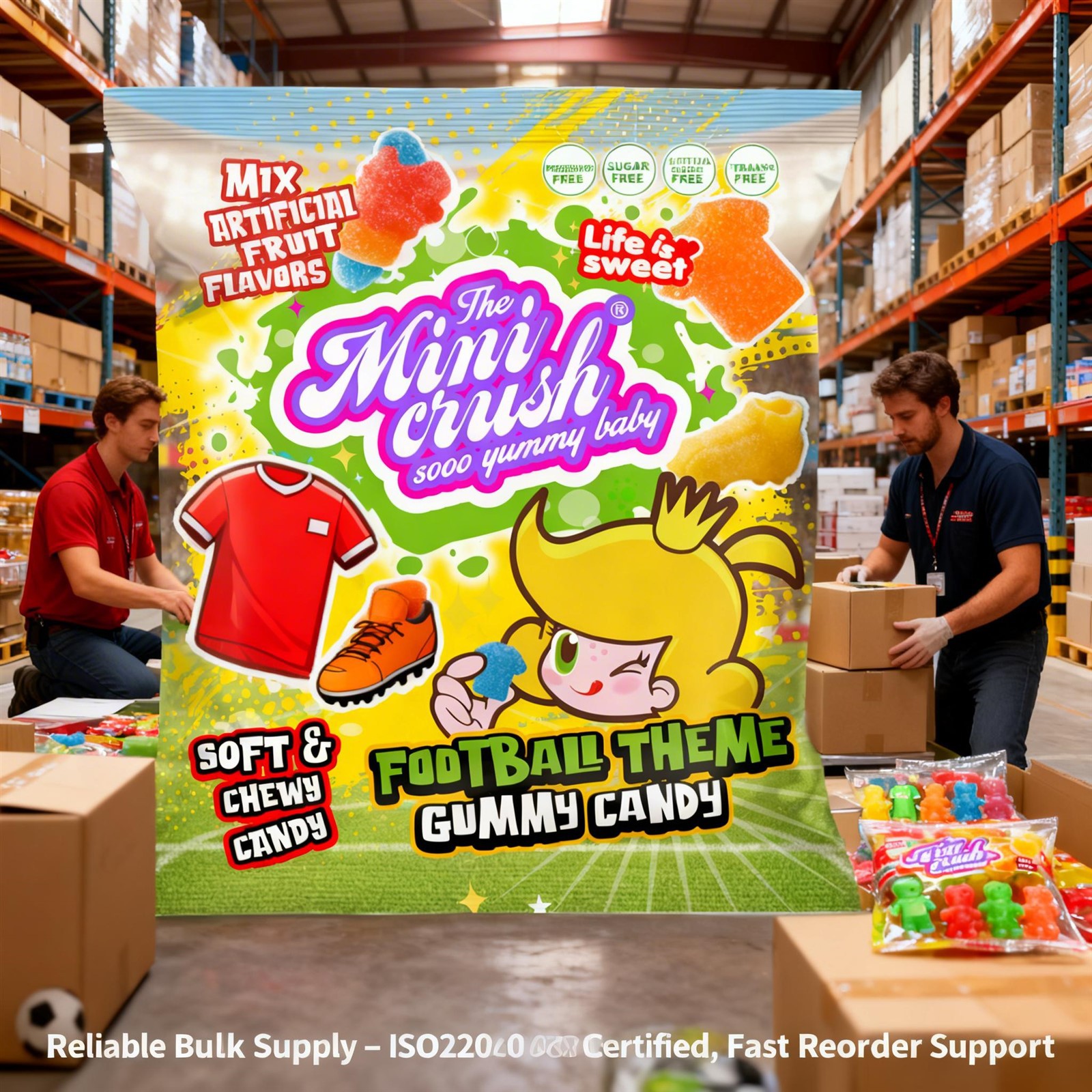
Nantong Litai Jianlong Food Co., Ltd. (MiniCrush) demonstrates how complete certifications translate to buyer confidence. Their products have passed audits by major retailers like Costco and Disney, proving they can maintain standards during peak production. This matters because World Cup demand often requires rapid production scaling, and certifications ensure quality doesn't slip when volumes increase.
When verifying certifications, ask for recent audit reports rather than just certificate copies. Check expiration dates and scope-some certifications cover only specific product lines. Most importantly, confirm the certifications match your target markets' requirements. A supplier with global certifications saves you time navigating different regional regulations during the compressed World Cup timeline.
Designing the Right SKU Structure for Multi-Peak Events
World Cup candy requires a thoughtful SKU strategy that accommodates multiple demand peaks without creating excess inventory. Many buyers make the mistake of ordering too many variations, leading to post-tournament dead stock.
The most successful programs follow a 70-20-10 rule:
- 70% core SKUs: Consistent packaging with only team colors changing (e.g., national flag stripes)
- 20% tournament-phase SKUs: Designs that reflect group stage, knockout rounds, and finals
- 10% surprise/reaction SKUs: Limited editions based on tournament surprises
This structure creates anticipation while minimizing risk. Core SKUs can be produced early with longer lead times. Phase-based SKUs allow you to adjust quantities based on which teams advance. Reaction SKUs, though small in volume, generate social media buzz and drive repeat visits.
MiniCrush's extensive experience exporting to 50+ countries shows how this approach works in practice. Their freeze-dried candy technology allows quick design changes without production delays-critical when responding to unexpected tournament developments. When evaluating suppliers, ask how their production systems accommodate mid-tournament adjustments without quality compromises.
Compliance Clarity Across Global Markets
World Cup candy faces unique compliance challenges as tournaments rotate between continents with different regulations. Buyers often underestimate how packaging claims, ingredient restrictions, and labeling requirements vary by country-even within the same region.
Your supplier should provide a compliance matrix showing exactly how each product meets requirements in your target markets. This isn't just about avoiding penalties; clear compliance documentation speeds up customs clearance during the tight World Cup timeline.
MiniCrush's 15+ years of export experience demonstrates how proactive compliance management works. They maintain updated regulatory knowledge for all 50+ countries they serve, anticipating changes before they affect shipments. Their quality systems include pre-shipment compliance checks specific to each destination country.
When evaluating suppliers, request examples of their compliance documentation for your specific markets. Check if they have experience with temporary event-related labeling exemptions-many countries have special rules for major tournaments. Suppliers with strong compliance systems reduce your risk of shipment delays during the critical pre-tournament window.
Ensuring Reorder Stability Through Supply Chain Transparency
World Cup demand creates unusual supply chain pressures. A supplier's ability to maintain consistent quality across multiple production runs-sometimes separated by weeks-is crucial for repeat orders.
Look for manufacturers with documented raw material traceability and batch consistency protocols. Seasonal products often use special ingredients (like tournament-themed colors), and suppliers must ensure these don't compromise taste or texture across production batches.
MiniCrush's GMP production standards and strict raw material controls illustrate how this works. Their system tracks ingredients from source to finished product, ensuring that a gummy candy produced in week one tastes identical to one made in week four-critical when consumers develop favorites during the tournament.
Ask potential suppliers about their batch testing frequency during peak production. How do they handle ingredient substitutions if primary sources become unavailable? Suppliers with robust quality systems maintain consistency even when adjusting to supply chain disruptions-a common challenge during global events.
Strategic Assortment: Balancing Emotional Appeal and Practicality
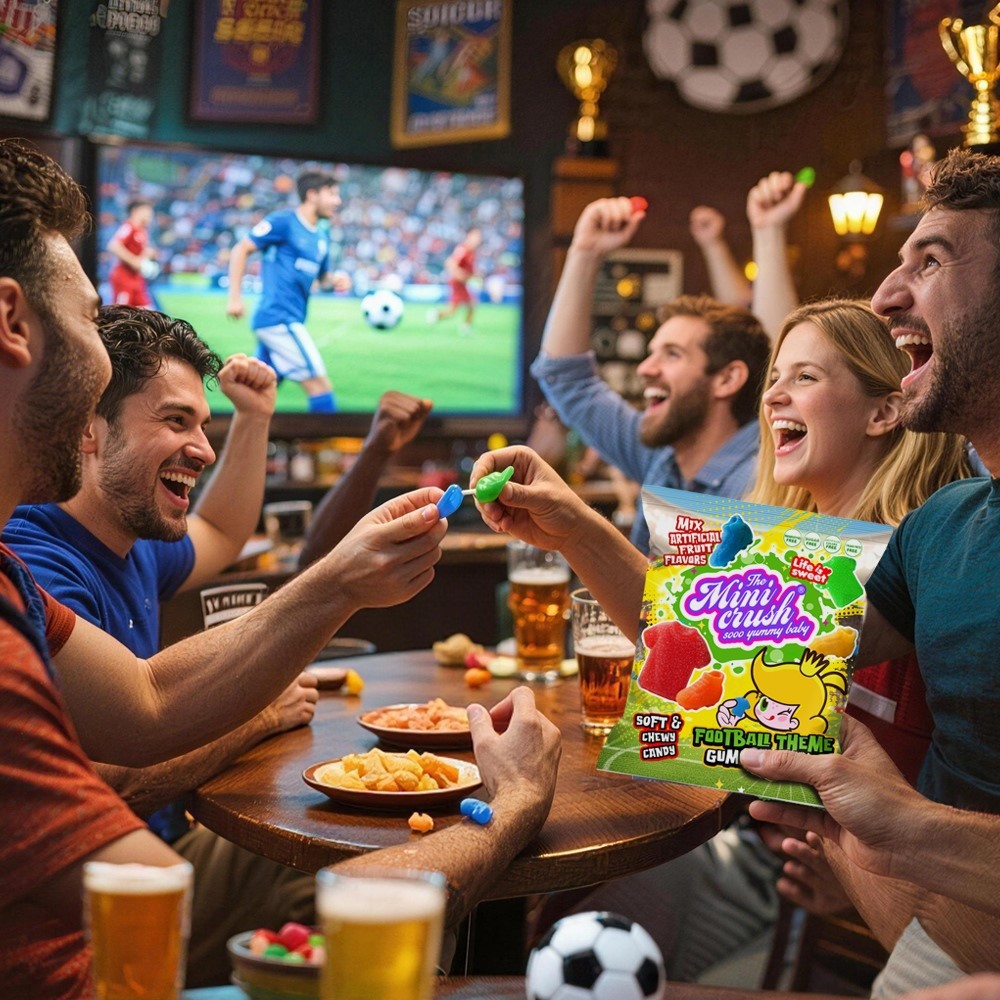
Successful World Cup candy programs balance emotional connection with practical purchasing considerations. While fans want tournament-themed products, they also expect familiar formats they can easily incorporate into viewing parties.
The most reorderable assortments include:
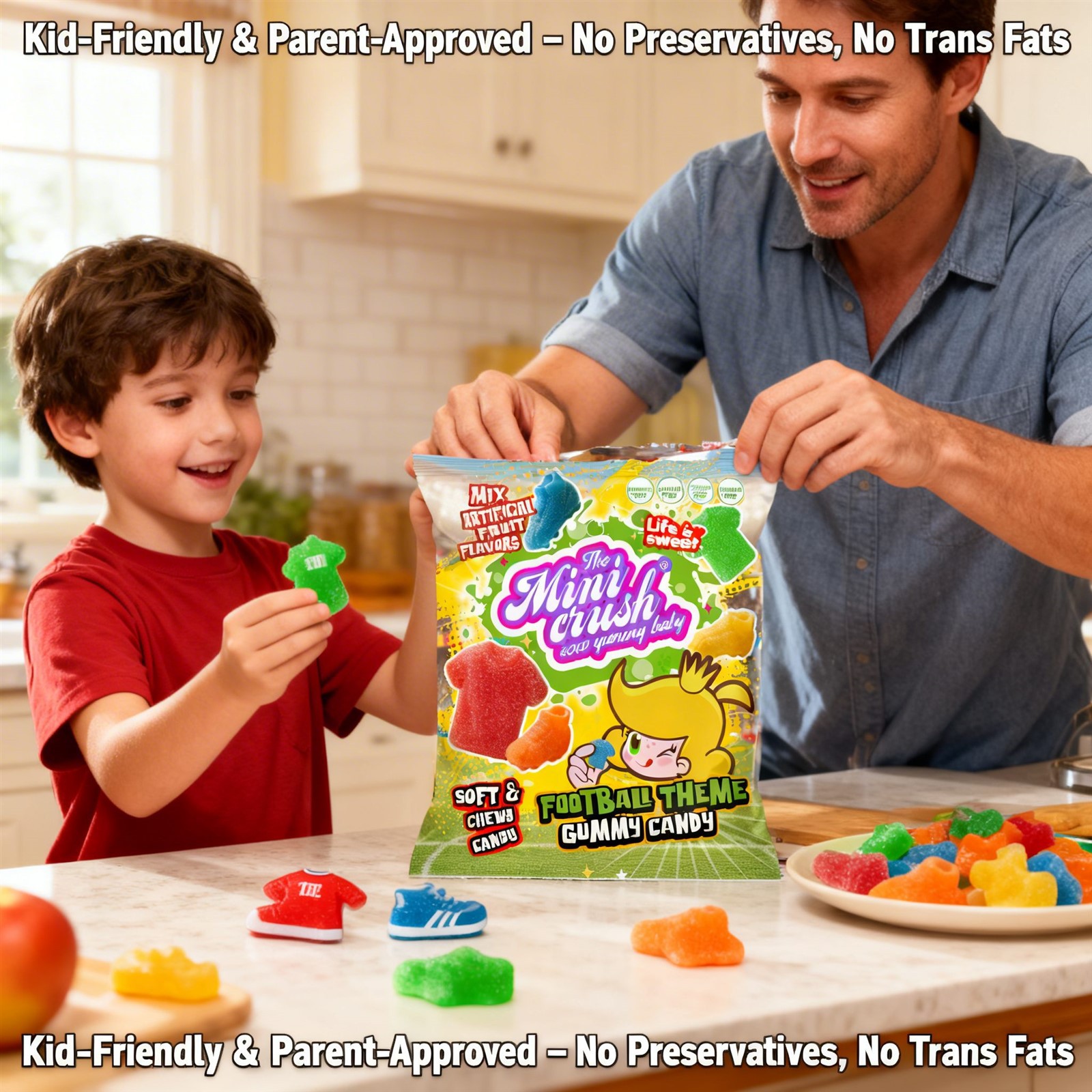
- Familiar formats with tournament decoration (e.g., standard gummy shapes in team colors)
- Shareable packaging sizes that match typical viewing group sizes
- Clear flavor identification (avoiding complex flavor names that confuse impulse buyers)
- Emotional triggers beyond team affiliation (e.g., "comeback" candies for dramatic matches)
MiniCrush's product development approach shows how this works. Their R&D team creates products that deliver emotional value through innovative formats while maintaining the taste expectations consumers have for established candy types. Their vegan, sugar-free, and gelatin-free options accommodate diverse dietary needs without compromising the festive experience.
When evaluating assortments, consider how easily consumers can understand and share the products. Complex packaging or unfamiliar formats may look impressive but often underperform during the quick decision-making of impulse stress-snacking.
Buyer Checklist: Evaluating World Cup Candy Suppliers
Before committing to a World Cup candy supplier, verify these critical points:
- Full certification portfolio matching your target markets
- Documented batch consistency protocols for multi-run production
- Flexible production capabilities to adjust to tournament developments
- Compliance documentation specific to your countries of sale
- Clear communication about lead times for initial and replenishment orders
- Evidence of successful multi-peak event management (not just single events)
- Transparent ingredient sourcing with contingency plans
- Packaging that maintains product integrity during extended shelf life
- Product assortment balancing novelty with familiar formats
- Post-event inventory management options
Common Mistakes in Seasonal Candy Procurement
Buyers often undermine their World Cup candy success through these preventable errors:
Overcomplicating SKUs: Ordering too many variations creates inventory fragmentation. Stick to the 70-20-10 rule to maintain flexibility.
Ignoring secondary peaks: Focusing only on the final match while missing opportunities during group stage upsets and knockout rounds.
Underestimating compliance timelines: Assuming tournament-related products follow standard clearance procedures, leading to delayed arrivals.
Neglecting post-tournament strategy: Having no plan for remaining inventory after the final whistle.
Overlooking emotional triggers beyond team affiliation: Missing opportunities with products that appeal to general tournament excitement rather than specific teams.
Assuming consistency across production runs: Not verifying how suppliers maintain quality when producing the same item weeks apart.
World Cup candy programs succeed when built on repeatable structures rather than one-time events. Suppliers who understand the emotional drivers of stress-snacking while maintaining operational discipline create partnerships that deliver value beyond single tournaments. By focusing on certification transparency, flexible SKU structures, and consistent quality across production runs, buyers can transform unpredictable seasonal demand into reliable repeat business. The most successful programs don't just sell candy for one World Cup-they establish systems that work for every major event, turning seasonal spikes into sustainable growth.