



Introduction
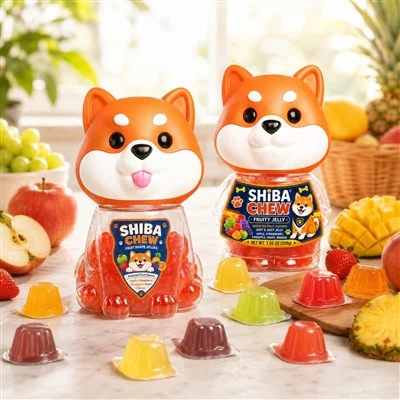
Functional jelly combines functional ingredients with a convenient jelly format, making it suitable for a growing range of functional food, wellness, and healthy snacking applications. Products can be developed with ingredients such as dietary fiber, prebiotics, collagen, vitamins, and other nutritional actives while maintaining an appealing taste and texture. As functional jelly products become more diverse, choosing a manufacturer with suitable formulation and production capabilities becomes an important consideration for businesses developing or sourcing these products.

Why Choosing the Right Functional Jelly Manufacturer Matters
A functional jelly manufacturer needs to manage the relationship between functionality, taste, texture, stability, and production consistency. Different ingredients and product concepts may require specific formulation and processing approaches, while commercial orders demand reliable quality and supply. A manufacturer with the right capabilities can therefore make product development more efficient and provide greater flexibility as your functional jelly line grows.
What to Consider When Choosing a Functional Jelly Manufacturer?
The right manufacturer should have the capabilities to support functional jelly development from
formulation through commercial production, while maintaining product quality and flexibility.

Functional Ingredient and Formulation Capabilities
Functional jelly depends heavily on how well nutritional ingredients can be incorporated into the jelly base. When evaluating a manufacturer, consider whether it has experience working with ingredients such as dietary fiber, prebiotics, collagen, vitamins, minerals, and other nutritional actives. Different ingredients can affect the product's flavor, texture, color, solubility, and stability, so the manufacturer should be able to adjust the formulation and processing approach accordingly. This helps ensure that the finished jelly delivers the intended functional positioning without making unnecessary compromises in taste or product quality.

Taste, Texture, and Product Development
Adding functional ingredients does not automatically result in a successful consumer product. Some active ingredients may introduce bitterness, off-notes, or changes in texture, making product development an important part of the manufacturing process. A capable manufacturer should be able to optimize flavor, sweetness, mouthfeel, firmness, and jelly consistency while maintaining the desired functional profile. It is also worth considering whether the manufacturer can provide product sampling and formulation adjustments, allowing the final product to be refined before moving into commercial production.

OEM/ODM and Product Customization
Customization is particularly important when the goal is to develop a differentiated functional jelly rather than simply purchase an existing product. Depending on the project, manufacturers may need to support custom formulations, flavors, shapes, jelly formats, packaging, private labeling, and branding. Flexible OEM/ODM capabilities allow businesses to adjust the product according to their target consumers, market positioning, and intended usage scenario. This also gives buyers greater control over how the final product is presented and positioned in their market.

Quality Control and Certifications
Functional jelly requires consistent control over both the jelly base and the functional ingredients used in the formula. A manufacturer should have clear procedures for raw material inspection, ingredient handling, production monitoring, and finished-product testing to help maintain consistency from batch to batch. Relevant food safety certifications and documentation can provide additional evidence of a structured quality management system. For products intended for international markets, buyers should also consider whether the manufacturer can provide the necessary documentation and compliance support - such as FDA, EU, HALAL, or KOSHER certifications - depending on the target region.

Production Capacity and Scalability
A manufacturer that can produce samples successfully may not necessarily be able to support long-term commercial supply. Buyers should therefore evaluate production capacity, manufacturing equipment, MOQ, lead time, and scalability before placing larger orders. The manufacturer should be able to maintain the agreed formulation, taste, texture, appearance, and quality standards as production volumes increase. This is especially important for products moving from initial market testing to regular replenishment, where inconsistent supply or extended lead times can affect inventory planning and product availability.

B2B and Global Market Support
For businesses sourcing functional jelly internationally, manufacturing capability is only one part of the supplier relationship. Practical support such as export experience, product documentation, packaging coordination, logistics support, and after-sales communication can significantly affect the efficiency of ongoing cooperation. A manufacturer familiar with B2B projects can also provide clearer communication during sampling, formulation adjustments, production scheduling, and order fulfillment. This type of support becomes increasingly valuable when a functional jelly product is developed for multiple markets or requires regular customized production.
How to Match a Functional Jelly Manufacturer With Your Business Needs?
Not every factor carries the same weight for every buyer. The importance of each consideration depends on your business model and product stage - here is how to prioritize them accordingly.
● New Functional Jelly Brands - Focus on low MOQ, formula development, sample support, and flexible customization to test product concepts and validate market demand without committing to large initial volumes.
● Established Food and Supplement Brands - Prioritize consistent quality, scalable production, supply stability, and customized formulations to support ongoing product lines and increasing order volumes.
● Distributors and Private-Label Buyers - Look for OEM/ODM capabilities, packaging customization, branding support, and ready-to-market product options to build differentiated functional jelly products for specific markets.
● Businesses Entering New Markets - Consider manufacturers with export experience, product documentation, regulatory support, and reliable logistics coordination to make market expansion and cross-border sourcing easier.
Conclusion
Choosing the right functional jelly manufacturer requires more than comparing prices or production capacity. Businesses should evaluate a manufacturer's functional formulation capabilities, product development expertise, customization flexibility, quality control, production scalability, and B2B support to ensure the partnership can meet both current product requirements and future growth. With experience in functional confectionery development and OEM/ODM manufacturing, LITAFOOD provides solutions across formulation, production, packaging, and global B2B support, helping businesses develop functional jelly products to meet diverse market needs. Contact us to discuss your functional jelly project and find a manufacturing solution tailored to your business.